




What Is Non Photochemical Quenching?
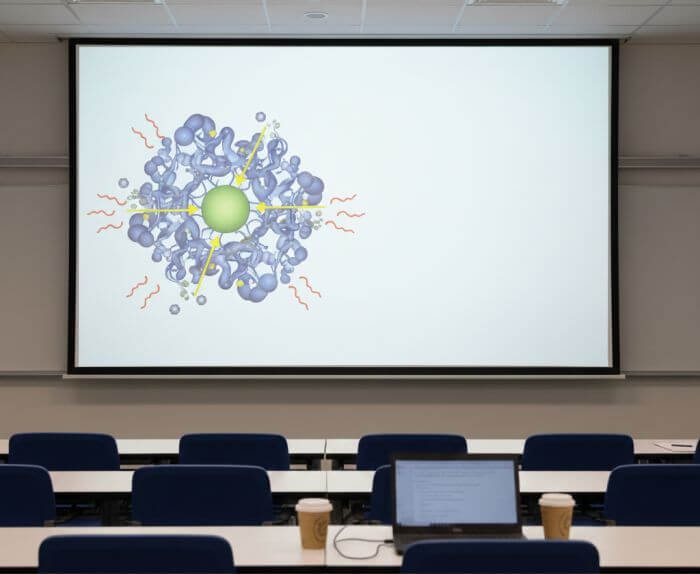
Non photochemical quenching is a protective process in which excess absorbed light energy is harmlessly dissipated as heat before it can damage pigments or reaction centers. It helps organisms maintain stable energy flow even under sudden changes in illumination.
Its behaviour depends on conformational changes within pigment-protein complexes, shifts in pH gradients, and modulation of excitation lifetimes. In advanced cellular energy architectures, non photochemical quenching limits the buildup of harmful excited states and preserves the integrity of downstream energy-conversion pathways.
The process allows light-harvesting systems to continue functioning efficiently during stress conditions such as intense sun or fluctuating light exposure.
Example:
Non photochemical quenching reduces excitation pressure in high-light environments by diverting surplus energy into rapid thermal dissipation.
Related Concepts:
- Photoprotective energy dissipation
- Excitation lifetime modulation
- Pigment-protein conformational switching
NoSuchDevice is a free archive of machines that do not exist yet but already have a shadow in physics. I research and write every entry alone, with no ads. Take a look around the archive, or help keep it free.