





What Is Figure of merit?
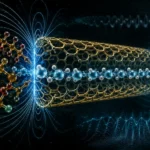
Figure of merit is the dimensionless parameter used to rate thermoelectric materials, usually written as ZT. It combines voltage generation, electrical transport, and heat leakage into one number, so higher values indicate better conversion between heat and electricity. A common relation is ZT = S^2sigmaT / kappa, where S is Seebeck coefficient, sigma is electrical conductivity, T is absolute temperature, and kappa is thermal conductivity.
In real material systems, ZT changes with temperature, crystal structure, carrier concentration, and defects. Engineers tune doping and microstructure to raise electrical conductivity and Seebeck response while suppressing lattice heat transport. This balance controls performance in thermoelectric energy conversion physics, where transport coefficients shift across operating ranges rather than staying fixed at a single laboratory point.
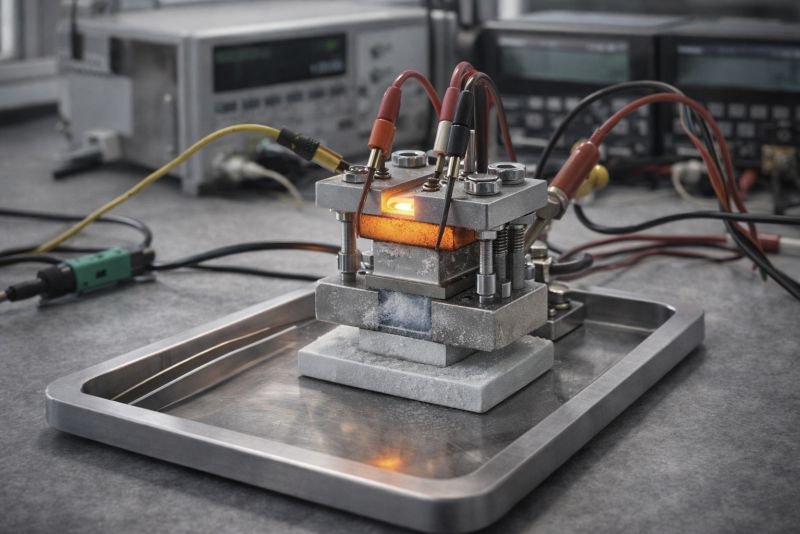
The concept matters because it links material science decisions directly to device efficiency, output power, and usable temperature span. Used in devices such as exhaust heat generators, industrial waste heat recovery modules, and compact solid-state coolers, figure of merit provides a practical screening metric before full stack testing. It is also central when comparing bismuth telluride alloys, skutterudites, and emerging nanostructured compounds for deployment.
Example:
A waste heat module on a furnace line produces more electrical power after replacing a low-ZT leg material with a higher-ZT alloy at the same temperature gradient.
Related Concepts:
- Seebeck Effect
- Thermal Conductivity
- Power Factor
NoSuchDevice is a free archive of machines that do not exist yet but already have a shadow in physics. I research and write every entry alone, with no ads. Take a look around the archive, or help keep it free.