


What Is Magnetic sail?
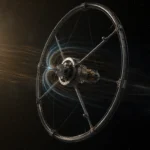
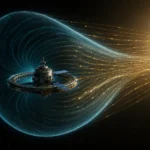
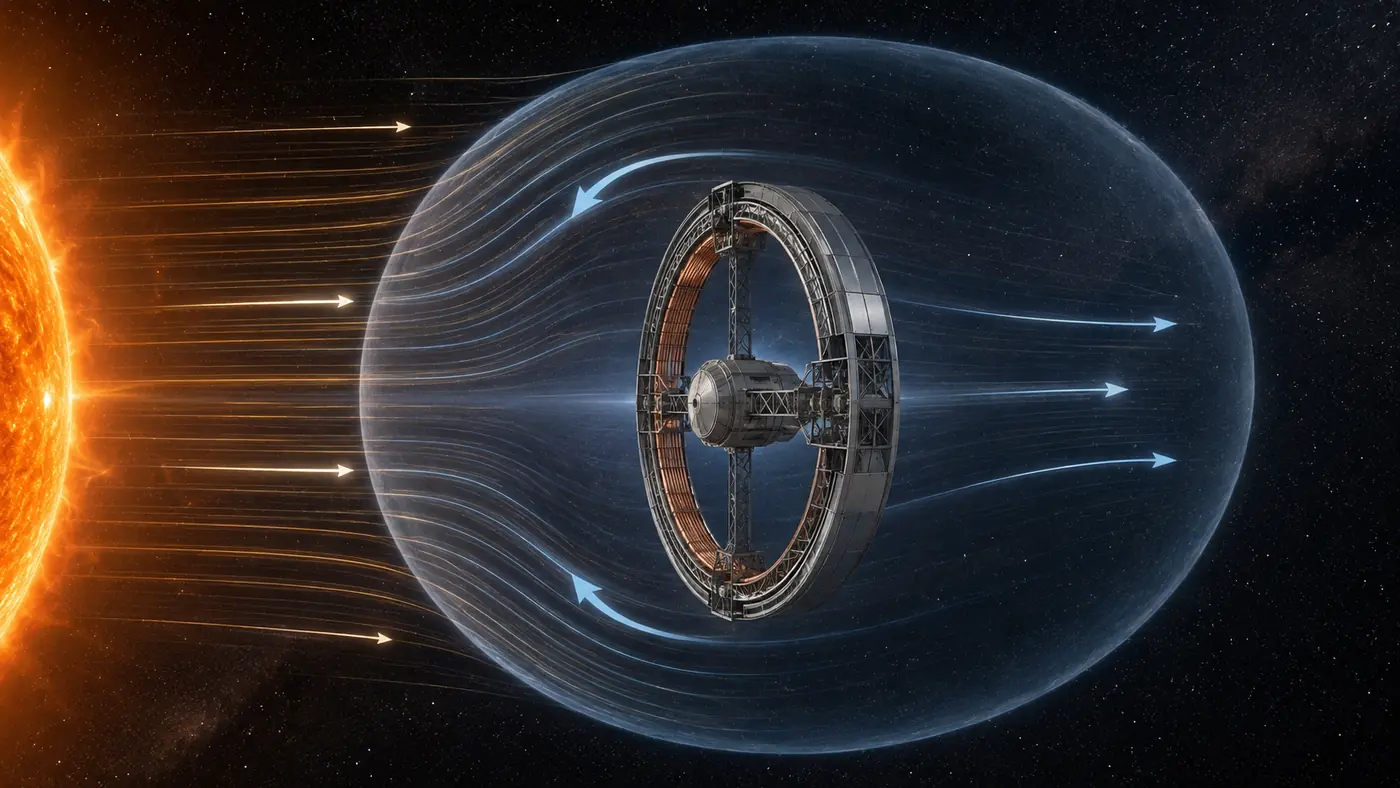
Magnetic sail is a propulsion or plasma-interaction concept that uses a magnetic field instead of a solid surface to exchange momentum with charged particles. A current loop produces a field that deflects ions and electrons in a flowing plasma. The force comes from electromagnetic momentum transfer, with pressure roughly scaling as P = rho v^2.
In real designs, the physical coil can be much smaller than the magnetic region that interacts with the plasma. Superconductors are attractive because they can carry large currents with low resistive loss, but coil mass, cooling, field stability, and plasma leakage matter. Used in devices include magsail spacecraft concepts, plasma brakes, radiation shields, and magnetic plasma collectors.
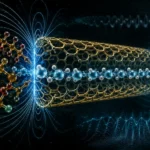
The concept matters because it can couple a vehicle or platform to space plasma without exposing a solid collector to high particle speeds. In magnetic plasma collection, a magnetic sail can enlarge the effective capture area for a thin particle stream. The same physics supports drag, thrust, shielding, or energy extraction depending on system geometry.
Engineers evaluate magnetic sails through coil current, magnetic moment, plasma density, flow speed, and standoff distance. Simulations must include particle trajectories and field deformation.
Example:
A superconducting loop in the solar wind can deflect incoming protons and receive a small continuous thrust from their changed momentum.
Related Terms:
NoSuchDevice is a free archive of machines that do not exist yet but already have a shadow in physics. I research and write every entry alone, with no ads. Take a look around the archive, or help keep it free.