





What Is proton exchange membrane?
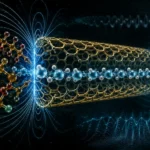
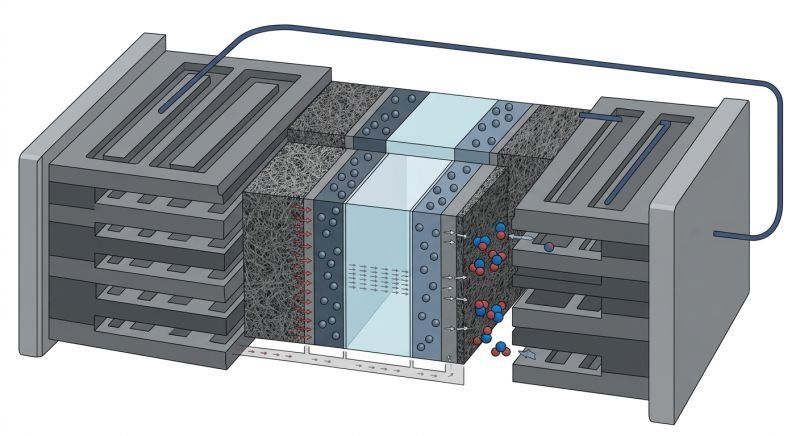
A proton exchange membrane is a solid polymer electrolyte that conducts hydrogen ions while blocking electrons and separating fuel from oxidant in a fuel cell. Its function depends on fixed acidic groups and hydrated ionic channels inside the polymer network, which let protons hop between water molecules under an electric potential. By forcing electrons to travel through an external circuit instead of crossing the membrane, the cell converts chemical energy directly into electrical work.
In practical stacks, membrane conductivity changes with temperature and humidity, so system design includes humidification, gas flow control, and pressure management to keep transport resistance low. The membrane also limits fuel crossover, which affects open-circuit voltage and long-term durability. In hydrogen fuel cell electrochemistry, this layer operates as both an ion conductor and a selective barrier that stabilizes reaction zones at each electrode.
The concept matters because membrane properties largely set efficiency, power density, and lifetime in proton-exchange systems. Material choices, thickness, reinforcement, and chemical stability directly influence startup behavior, transient response, and degradation rates in transport and stationary energy applications.
Example:
When membrane hydration drops during dry inlet conditions, cell voltage falls because proton transport resistance rises across the active area.
Related Concepts:
- Electrolyte Conductivity
- Fuel Crossover
- Oxygen Reduction Reaction
NoSuchDevice is a free archive of machines that do not exist yet but already have a shadow in physics. I research and write every entry alone, with no ads. Take a look around the archive, or help keep it free.