


What Is Reactive Transport?
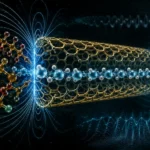
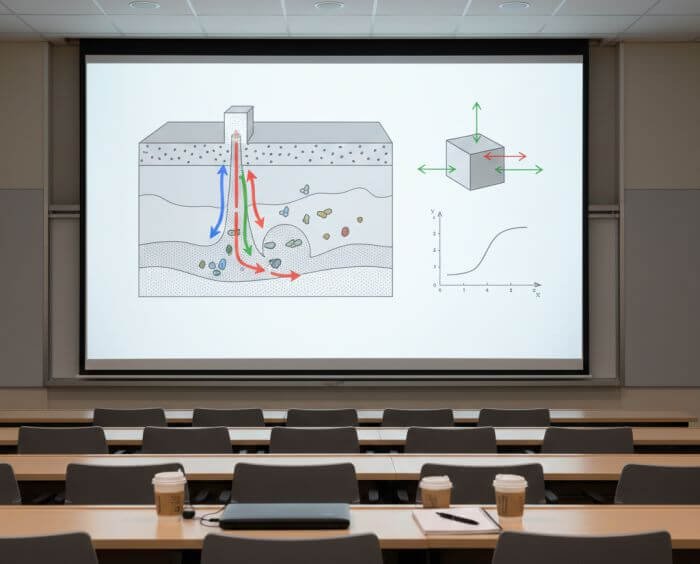
Reactive transport describes how dissolved or mobile substances move while simultaneously undergoing chemical change, allowing fluids and minerals to interact in ways that reshape flow paths over time. It links movement, reaction rates, and evolving material properties into one coupled process.
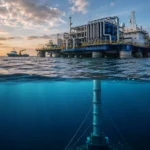
In subsurface CO2 storage, reactive transport governs how injected carbon interacts with pore fluids and minerals within geologic carbon handling systems.
Its behavior often determines long-term stability because reactions can seal pathways, open new ones, or alter how pressure distributes across a reservoir.
Example:
Reactive transport influences how dissolved CO2 migrates through porous rock while mineral reactions gradually reshape flow structure.
Related Concepts:
- Mineral Trapping
- Reactive Flow Modeling
- Geochemical Kinetics
NoSuchDevice is a free archive of machines that do not exist yet but already have a shadow in physics. I research and write every entry alone, with no ads. Take a look around the archive, or help keep it free.