





What Is Superconductivity?
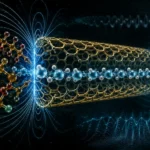
Superconductivity is a physical state in which a material conducts electric current with essentially zero electrical resistance below a critical temperature. In that state, the material can carry large currents without ordinary resistive heating, and it also shows distinctive magnetic behavior such as the expulsion or redistribution of magnetic flux.
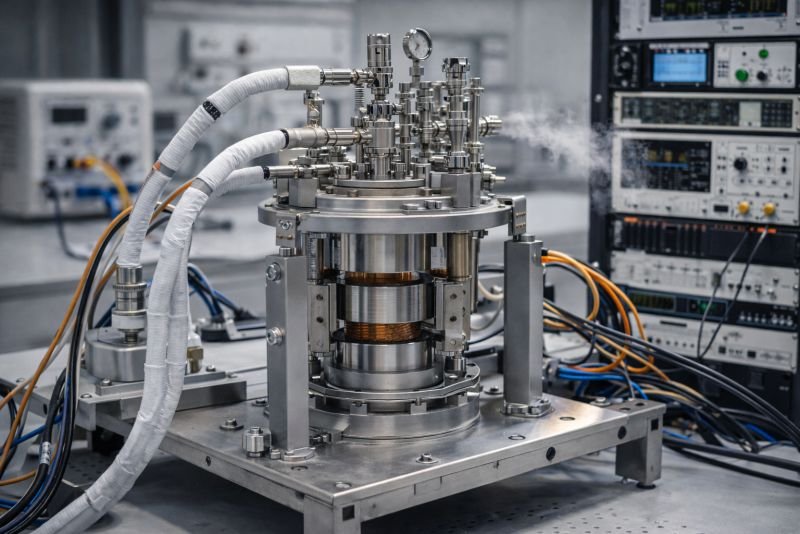
In advanced generator research, superconducting windings are attractive because they can create strong magnetic fields while avoiding the power losses that conventional copper coils suffer. The main limitation is not the induction principle itself but the cooling infrastructure needed to keep the material below its operating threshold.
A simple condition is T < Tc, where superconductivity appears only below the material’s critical temperature Tc. Why it matters is that removing resistive losses can shrink machine size, reduce heat generation, and change the efficiency limits of magnets, generators, and transmission systems that normally waste power as heat.
Used in devices include MRI magnets, particle accelerators, and experimental generators. Engineers must also track critical current density, magnetic field limits, and cryogenic stability because superconductivity disappears if temperature, current, or field conditions move outside the material’s allowed operating region.
Example:
A superconducting generator can deliver high magnetic field strength with far less resistive heating than a comparable conventional wound machine.
Related Terms:
- Magnetic Flux
- Faraday’s Law
- Critical Temperature
NoSuchDevice is a free archive of machines that do not exist yet but already have a shadow in physics. I research and write every entry alone, with no ads. Take a look around the archive, or help keep it free.