




What Is Atomic Layer Deposition (ALD)?
Atomic layer deposition is a vapor-phase thin-film process that builds material one surface reaction at a time through alternating, self-limiting chemical exposures. Because each half-reaction stops once all available surface sites are occupied, ALD can produce extremely uniform coatings with precise thickness control even on complex three-dimensional shapes.
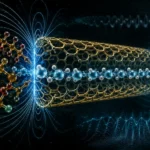
In nanometer-scale barrier coatings, ALD is attractive because it can form dense oxide layers over fibers, pores, and textured substrates that are difficult to protect by conventional coating methods. That conformality makes it especially valuable when a device needs a barrier without adding much thickness or optical loss.
A simple thickness relation is t = GPC x N, where growth per cycle multiplied by the number of cycles gives the deposited film thickness. Why it matters is that nanoscale control allows engineers to tune barrier performance, electrical insulation, optical transmission, and interface quality with much finer precision than bulk deposition methods usually permit.
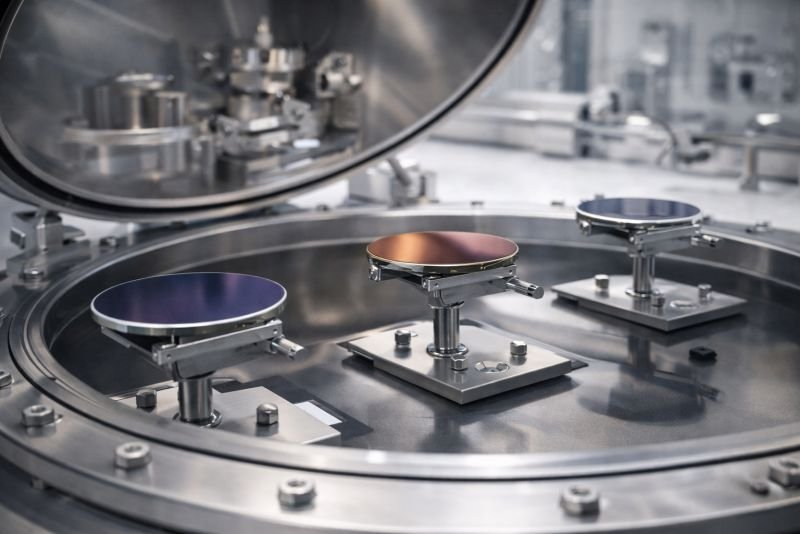
Used in devices include semiconductor wafers, barrier-coated polymers, and battery electrodes. Engineers choose precursors, temperature windows, purge times, and surface chemistry carefully because the process is only truly self-limiting when each reaction step remains chemically selective and complete.
Example:
An ALD-grown aluminum oxide layer can protect a flexible electronic surface with only nanometers of added thickness.
Related Terms:
NoSuchDevice is a free archive of machines that do not exist yet but already have a shadow in physics. I research and write every entry alone, with no ads. Take a look around the archive, or help keep it free.