





What Is Dormancy mechanism?
A dormancy mechanism is a design feature that keeps a responsive system inactive until a defined condition removes the protective state and allows a process to begin. In materials engineering, it can delay degradation, release, or activation until exposure occurs at the right moment. A useful threshold relation is k_eff approx 0 when S < Scrit and k_eff > 0 when S >= Scrit, where the effective reaction rate stays suppressed below the trigger condition.
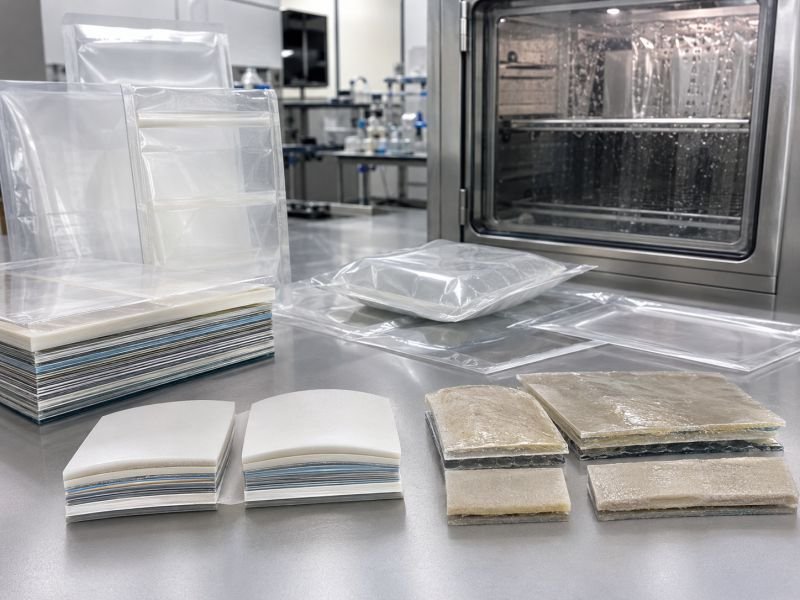
In real systems, dormancy can be created by barrier films, reversible protecting groups, encapsulated catalysts, moisture exclusion, or oxygen-limited storage. Used in devices include sealed packaging, responsive drug capsules, sensor coatings, agricultural films, and disposable materials whose service life must be separated from storage life. This logic is central in condition-triggered degradation architecture, where the molecular clock should start after first use or ambient exposure, not during warehouse time.
The concept matters because a timed material is only useful if it remains chemically quiet before deployment. Without a dormancy mechanism, the same trigger bonds that enable controlled failure can begin consuming lifetime long before the product reaches its intended environment.
Engineers therefore test barrier integrity, trigger specificity, and accidental leakage under transport extremes, since weak dormancy control turns a precise degradation schedule into an unreliable shelf-life problem.
Example:
A sealed polymer pouch can remain unchanged in storage and begin degrading only after opening exposes its trigger layer to moisture and air.
Related Terms:
- Surface Erosion
- Monomer
- Barrier Layer
NoSuchDevice is a free archive of machines that do not exist yet but already have a shadow in physics. I research and write every entry alone, with no ads. Take a look around the archive, or help keep it free.