



What Is Hydrocarbon-degrading bacteria?
Hydrocarbon-degrading bacteria are microorganisms that use petroleum compounds and related hydrocarbons as carbon and energy sources. They produce enzymes that oxidize or split complex molecules into intermediates the cell can metabolize further. This ability makes them important natural agents in soils, sediments, and waters exposed to oil, fuel residues, or other organic contamination.
Their growth is commonly modeled with Monod kinetics, mu = mumax S / (Ks + S), where substrate concentration controls how rapidly the population can expand. In real environments, degradation rate depends on oxygen availability, nutrient balance, temperature, salinity, and how accessible the hydrocarbons are at droplet or surface interfaces. Different species specialize in different chain lengths and aromatic structures, so mixed communities usually outperform single strains.
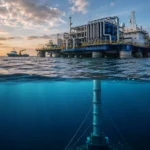
The concept matters because biological cleanup can convert contaminants without the high energy demands of many mechanical or electrochemical methods. In marine oil remediation, these bacteria can colonize polluted zones and reduce petroleum load through natural metabolic pathways under favorable conditions. Used in devices include bioreactors, biosensors, nutrient dosing systems, and environmental monitoring platforms built around microbial activity or response.
Example:
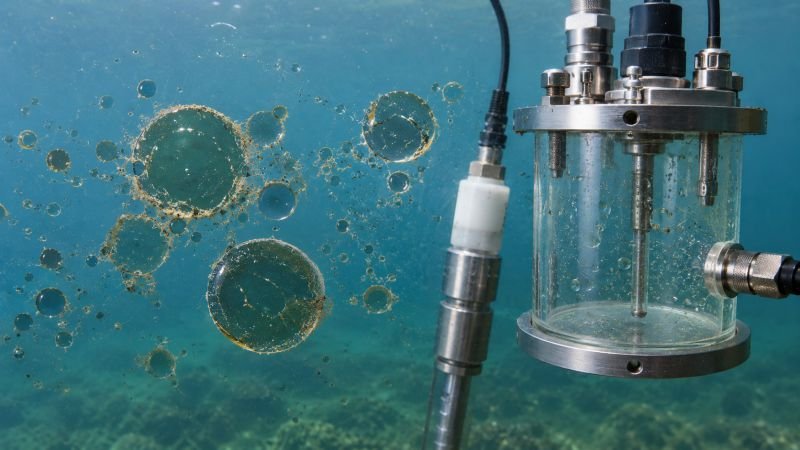
After an oil spill, native marine bacteria can multiply around suspended droplets and gradually break hydrocarbons into simpler compounds.
Related Terms:
- Catalytic Degradation
- Bioremediation
- Enzymatic Oxidation
NoSuchDevice is a free archive of machines that do not exist yet but already have a shadow in physics. I research and write every entry alone, with no ads. Take a look around the archive, or help keep it free.