





What Is solid electrolyte interphase (SEI)?
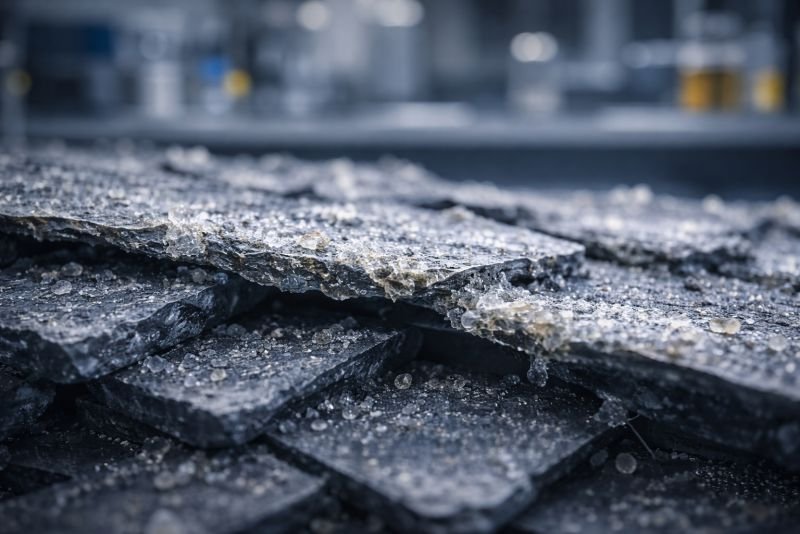
Solid electrolyte interphase (SEI) is the thin passivation layer that forms on an electrode surface, usually the anode, when electrolyte molecules decompose during early battery cycles. The layer is chemically complex, but its job is simple: let lithium ions pass while blocking further electron-driven breakdown of the electrolyte. Its resistance can be approximated as R = rho L / A, so thickness and composition both matter.
A stable SEI protects the electrode and helps preserve long-term efficiency. An unstable or continuously growing SEI consumes active lithium, raises impedance, and can crack when the host material expands and contracts. Because it forms from the Electrolyte at the surface of an intercalating electrode, it is tightly connected to both solvent chemistry and Intercalation strain.
The concept matters because many battery failures that look mysterious at pack level begin as interfacial problems at the micrometre scale. In battery degradation engineering, SEI behavior is used to explain capacity fade, rising internal resistance, charging limits, gas generation, and why storage conditions strongly influence calendar life. Even small changes in electrolyte additives can shift that behavior substantially.
Example:
A graphite anode can lose usable lithium over time when its SEI layer keeps growing during storage at high state of charge.
Related Concepts:
- Passivation Layer
- Capacity Fade
- Interfacial Resistance
NoSuchDevice is a free archive of machines that do not exist yet but already have a shadow in physics. I research and write every entry alone, with no ads. Take a look around the archive, or help keep it free.