




What Is Thermocline?
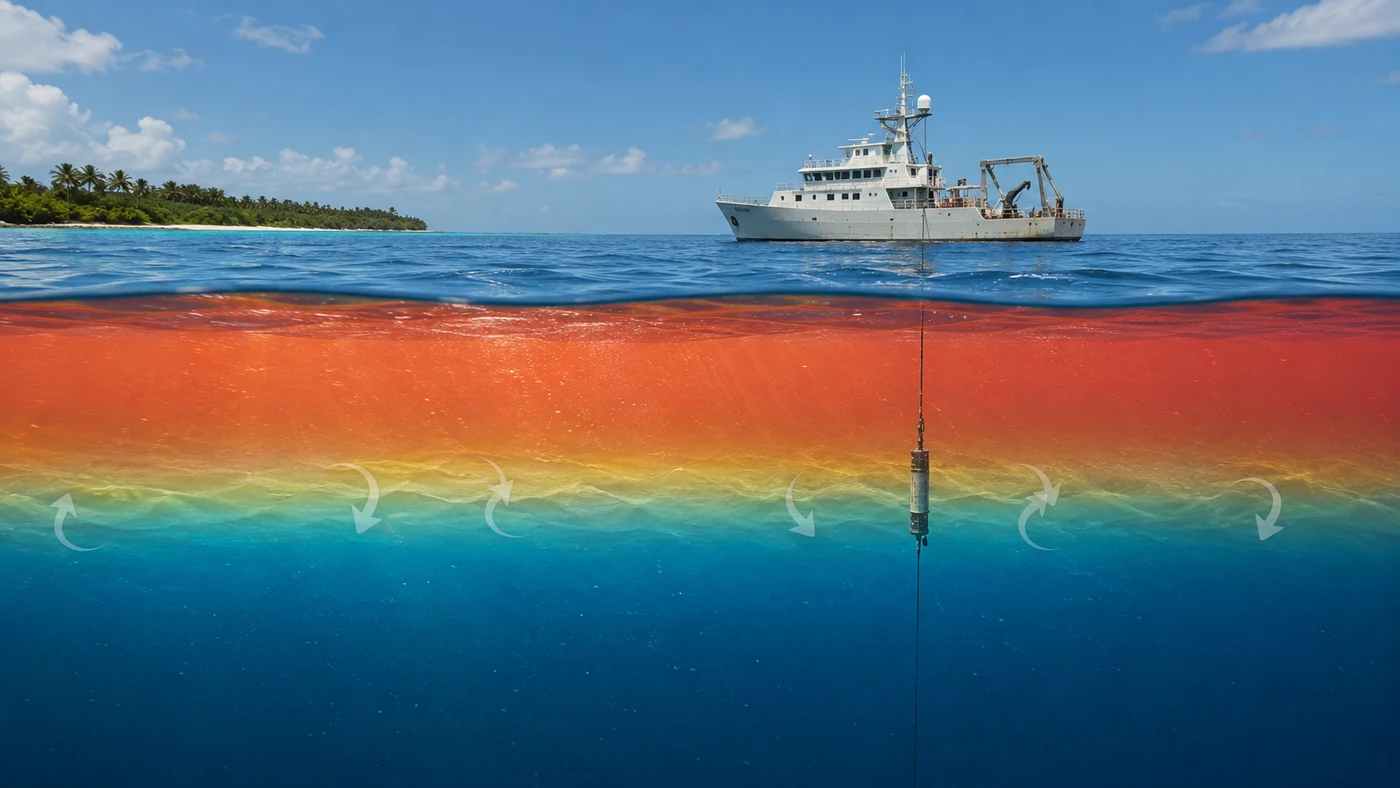
Thermocline is the ocean or lake layer where temperature changes rapidly with depth, separating warmer surface water from colder deep water. The principle is thermal stratification: density rises as water cools, so layers with different temperatures resist vertical mixing. A simple measure is Delta T / Delta z, the temperature change per unit depth.
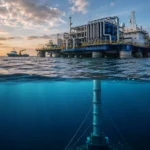
In real water bodies, a thermocline can sharpen during warm seasons or persist year-round in tropical oceans. Wind, waves, salinity, and currents can weaken or move it, but the density contrast still controls how heat, nutrients, and dissolved gases move between layers. Used in devices include ocean thermal energy converters, autonomous profiling floats, and deep-water intake systems.
The concept matters because it sets the boundary between surface processes and deep reservoirs in physical oceanography. In ocean thermal energy conversion, the thermocline helps preserve the temperature difference that a heat engine can exploit. It also affects marine ecosystems, acoustic propagation, and climate models.
Measurements usually come from temperature-depth profilers, moored sensors, or autonomous floats. The depth and thickness of the layer help engineers estimate intake placement, mixing risk, and how much usable cold water remains available below the surface layer.
Example:
A research float descending through tropical seawater may record a sudden temperature drop across a narrow depth band before entering the colder deep layer.
Related Terms:
NoSuchDevice is a free archive of machines that do not exist yet but already have a shadow in physics. I research and write every entry alone, with no ads. Take a look around the archive, or help keep it free.