





What Is Ultracapacitor?
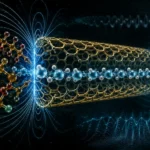
An ultracapacitor is an electrochemical energy-storage device that holds charge at the interface between an electrode and an electrolyte rather than through slower bulk chemical conversion. Its defining relation is E = 1/2 C V^2, where stored energy rises with capacitance and the square of voltage. This gives fast charge and discharge, high cycle life, and lower energy density than most batteries.
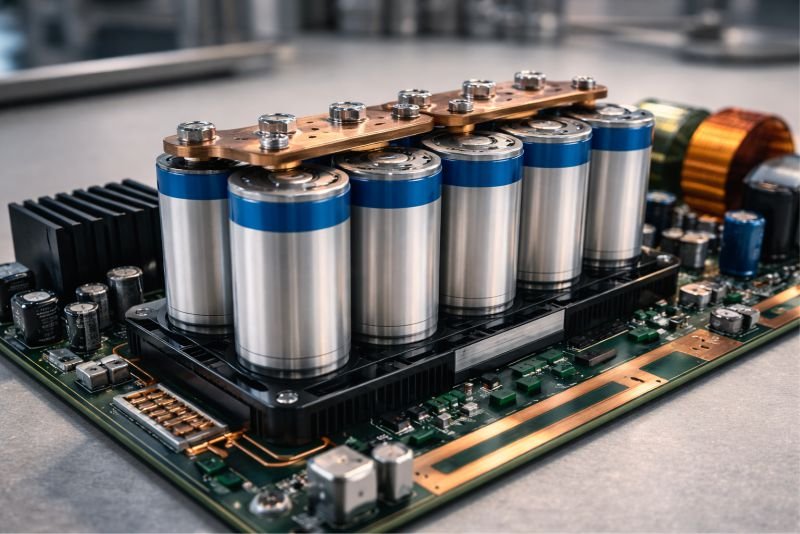
In real circuits, ultracapacitors behave as short-duration buffers that absorb bursts of current and return power with low internal resistance. They are often paired with batteries or fuel cells so one device handles peaks while the other supplies longer-duration energy. In portable fuel-cell power systems, that buffering role helps cover transient loads without oversizing the main generator.
Used in devices include regenerative braking units, backup power modules, camera flash drivers, and communication equipment that demands rapid current pulses. The term matters in electronics and power engineering because it describes a component optimized for power density, thermal tolerance, and repeated cycling, making it useful wherever brief load spikes, voltage smoothing, or quick energy recovery would wear a conventional battery.
Example:
An ultracapacitor can supply a sudden surge of current to a radio transmitter while a fuel cell continues providing the lower average load.
Related Terms:
- Electric Double Layer
- Hydride Alloy
- Capacitance
NoSuchDevice is a free archive of machines that do not exist yet but already have a shadow in physics. I research and write every entry alone, with no ads. Take a look around the archive, or help keep it free.