



What Is Activated Carbon?
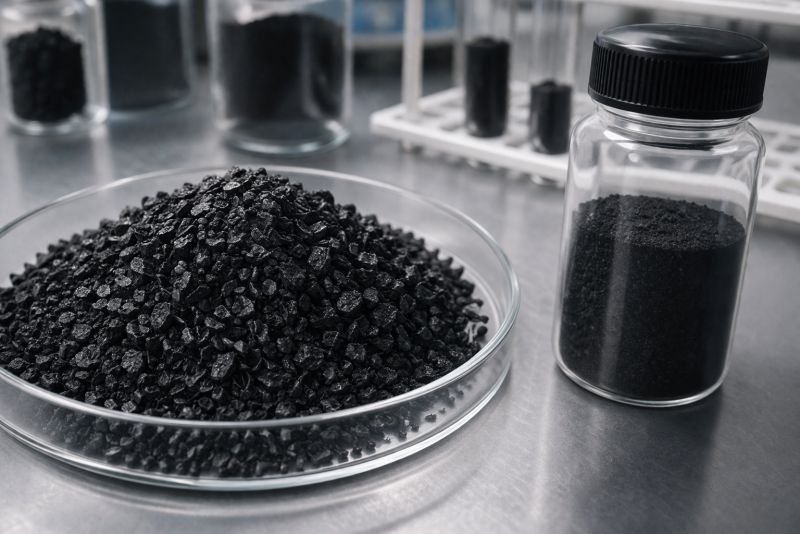
Activated carbon is a form of carbon processed to develop an extremely large internal pore network and high surface area. It is produced by carbonizing an organic precursor and then activating it with steam, carbon dioxide, or chemicals to open additional pores. A simple way to express its structural advantage is S = A / m, where S is specific surface area, A is accessible area, and m is mass.
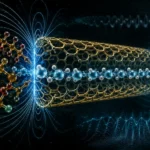
In practice, activated carbon works because molecules or ions can enter its pores and interact with the surface over a very large area per gram. In porous carbon electrode design, that accessible area allows large amounts of charge to accumulate at the electrolyte interface. Used in devices include water filters, air purifiers, gas treatment systems, catalyst supports, and supercapacitors.
The material matters because surface area alone is not enough; pore size distribution, conductivity, surface chemistry, and wettability determine whether the internal structure is actually useful. Micropores may maximize area, while larger pores improve transport. Engineers therefore tune activated carbon for adsorption, electrochemical storage, or purification rather than assuming one carbon works for every application.
Researchers characterize activated carbon with BET surface area measurements, pore distribution analysis, ash content, and conductivity tests. Those measurements show whether a material is optimized for rapid ion access, high contaminant capture, or a balance between the two.
Example:
An activated carbon electrode in a supercapacitor stores charge at the walls of millions of tiny pores filled with electrolyte ions.
Related Terms:
- Capacitance
- Pseudocapacitance
- Adsorption
NoSuchDevice is a free archive of machines that do not exist yet but already have a shadow in physics. I research and write every entry alone, with no ads. Take a look around the archive, or help keep it free.