






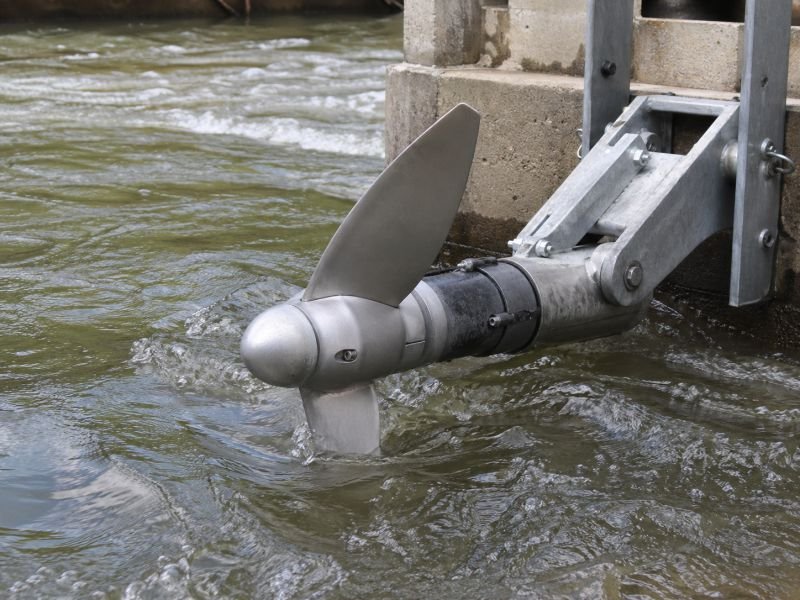
What Is Blade tip speed?
Blade tip speed is the linear speed of the outermost point on a rotating blade. It depends on angular velocity and radius, and is commonly written u_tip = omega R. Because the blade tip travels the largest circular path, it experiences the highest local speed, making it a key operating parameter for rotating fluid machines.
In real rotors, blade tip speed shapes cavitation risk, noise generation, hydrodynamic loading, and conversion efficiency. In submerged rotor design, it helps determine whether a machine can capture useful power while limiting blade stress and reducing harmful interaction with debris or aquatic life.
The term matters because many design limits appear first at the blade tip, where pressure changes and relative flow speed are greatest. Used in devices include wind turbines, marine propellers, pumps, ventilation fans, and hydrokinetic rotors that must balance output against structural and environmental constraints.
Engineers usually report blade tip speed in meters per second and compare it with inflow speed through tip-speed ratio. That pairing shows whether the rotor is turning too slowly to extract power well or too quickly for acceptable drag, cavitation margin, or fatigue life.
Example:
A large tidal rotor can rotate at modest rpm yet still reach a high blade tip speed because its radius is much larger than that of a compact pump impeller.
Related Terms:
- Power Coefficient
- Tip Speed Ratio
- Cavitation
NoSuchDevice is a free archive of machines that do not exist yet but already have a shadow in physics. I research and write every entry alone, with no ads. Take a look around the archive, or help keep it free.