





What Is Electrolyzer?
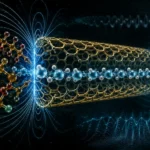
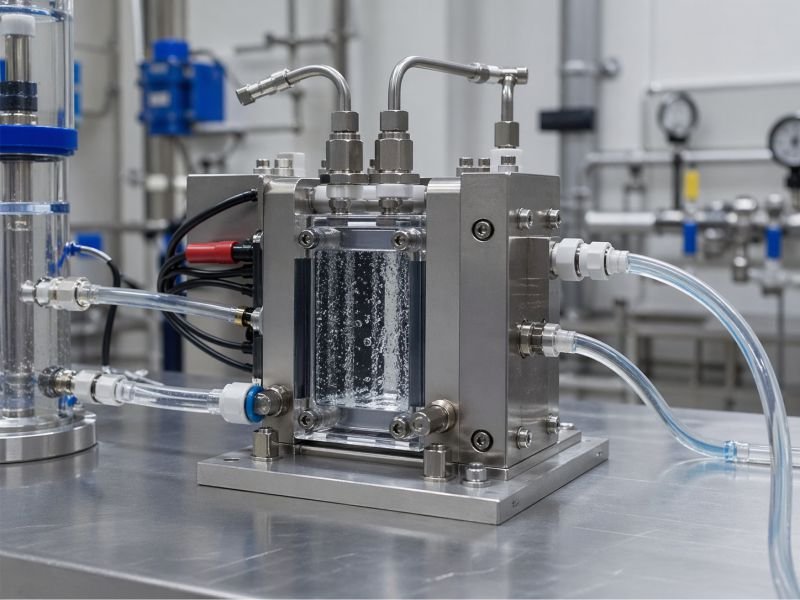
An electrolyzer is an electrochemical device that uses external electrical energy to drive a chemical reaction that would not proceed spontaneously on its own. In water electrolysis, the overall reaction is 2H2O -> 2H2 + O2. The cell contains electrodes, an electrolyte or membrane, and current collectors that guide ions and electrons along separate paths while gases form at different sides.
In operation, performance depends on current density, voltage losses, temperature, and gas management. Different designs such as alkaline, proton-exchange membrane, and solid oxide electrolyzers trade efficiency, materials, operating conditions, and dynamic response. In hydrogen production systems, an electrolyzer turns electricity into hydrogen that can later be stored, transported, or fed to a fuel cell.
This technology matters because it couples electrical infrastructure to chemical storage and industrial feedstocks. Net efficiency is shaped not only by cell voltage but also by compression, water treatment, and control losses. Faradaic efficiency is another common metric for comparing gas output to charge input. Used in devices include hydrogen generators, industrial chlor-alkali units, and regenerative energy systems. Engineers use electrolyzers when direct electrification is impractical or when energy must be stored over time.
Example:
A wind-powered microgrid can run a PEM electrolyzer during surplus generation, storing hydrogen for later use in backup power equipment.
Related Terms:
- Bipolar Plate
- Current Density
- Parasitic Load
NoSuchDevice is a free archive of machines that do not exist yet but already have a shadow in physics. I research and write every entry alone, with no ads. Take a look around the archive, or help keep it free.