






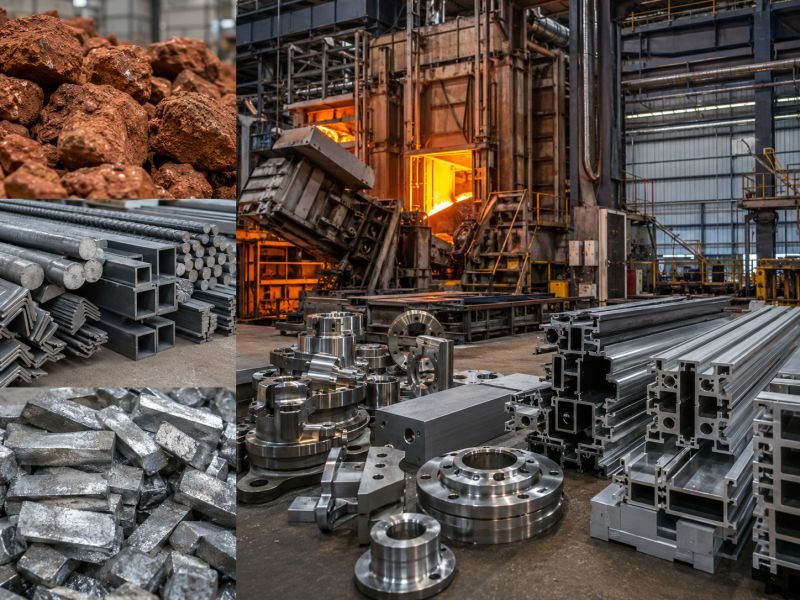
What Is Embodied energy?
Embodied energy is the total energy required to extract, refine, process, and deliver a material or component before it begins useful service. It captures the energy already spent upstream of operation. A common relation is E_total = m x e_i, where mass is multiplied by the material’s energy intensity to estimate the pre-use energy burden.
In real manufacturing systems, embodied energy changes with ore grade, recycled content, furnace efficiency, transport distance, and forming route. Primary aluminum and recycled aluminum can differ by more than an order of magnitude even when the final part performs the same task. Used in devices include battery enclosures, heat sinks, structural frames, and appliance panels where material choice sets a large hidden energy cost.
The concept matters because early material selection can dominate environmental impact long before a product is switched on. It is a central variable in sustainable materials selection, where low-mass design alone does not guarantee low upstream energy demand if the chosen feedstock is highly energy-intensive to produce.
Engineers usually report embodied energy in MJ/kg and must state system boundaries clearly, because mining, recycling allocation, and transport assumptions can shift the number enough to change a design decision.
Example:
Replacing primary aluminum with recycled aluminum in a vehicle bracket can sharply reduce pre-use energy demand without changing the bracket geometry.
Related Terms:
- Energy Intensity
- Thermoplastic Composite
- Life Cycle Assessment
NoSuchDevice is a free archive of machines that do not exist yet but already have a shadow in physics. I research and write every entry alone, with no ads. Take a look around the archive, or help keep it free.