





What Is Energy intensity?
Energy intensity is the amount of energy required per unit of output from a process, material, or activity. In materials science it is often expressed in MJ/kg, letting engineers compare how much energy different feedstocks or production routes consume. A basic relation is e_i = E_total / m, where total process energy is divided by output mass.
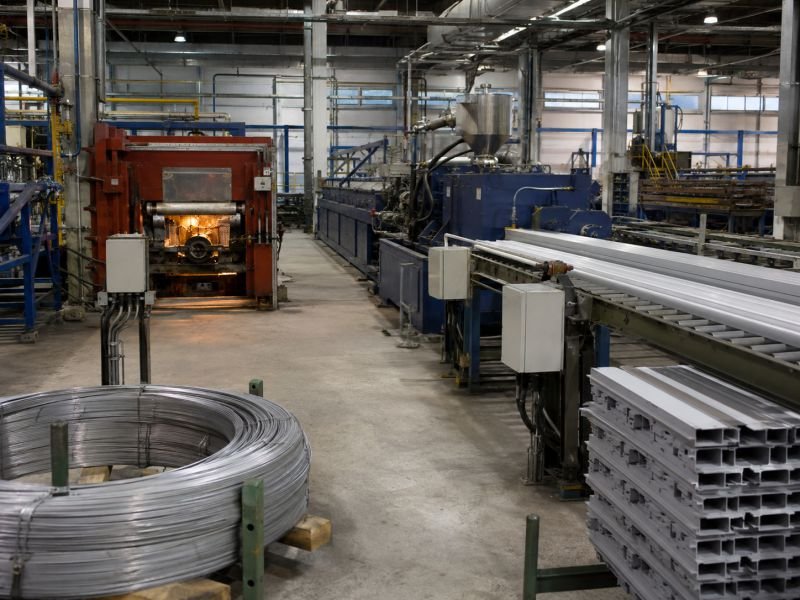
In real plants, energy intensity depends on temperature, reaction pathway, recycled content, equipment efficiency, and impurity load in the feed. Smelting, polymerization, drying, and remelting all move the number in different ways even when they produce functionally similar parts. Used in devices include kilns, extruders, induction furnaces, molding lines, and battery recycling systems where heat and power demand must be controlled.
The term matters because it turns broad sustainability claims into comparable engineering quantities. It also feeds directly into industrial materials sourcing, where a low-cost material may still impose a large upstream energy burden if its production route is power-hungry or chemically complex.
Reported values depend strongly on system boundaries and electricity mix, so a published number is only meaningful when the accounting method, recycled share, and process stage are stated alongside it.
Example:
Choosing recycled aluminum over primary aluminum lowers energy intensity at the material stage before any cutting, forming, or assembly begins.
Related Terms:
- Embodied Energy
- Gibbs Mixing Entropy
- Life Cycle Assessment
NoSuchDevice is a free archive of machines that do not exist yet but already have a shadow in physics. I research and write every entry alone, with no ads. Take a look around the archive, or help keep it free.