





What Is hydroxyl radical?
A hydroxyl radical is a highly reactive oxygen-hydrogen species written as OH that contains an unpaired electron. That electronic structure makes it short-lived and strongly oxidizing, so it reacts rapidly with many organic and inorganic compounds. Instead of remaining stable in solution for long periods, it attacks nearby bonds through addition, abstraction, or electron exchange pathways that transform the target molecule.
Because the radical exists only briefly, it is usually generated in place by ultraviolet photolysis, ozone chemistry, plasma discharge, or catalytic redox reactions. One representative step is OH + RH -> H2O + R*, where the radical removes hydrogen from another molecule and starts a chain of follow-on reactions. Yield depends on precursor concentration, pH, scavenging species, and how efficiently the reactor creates radicals faster than they are quenched.
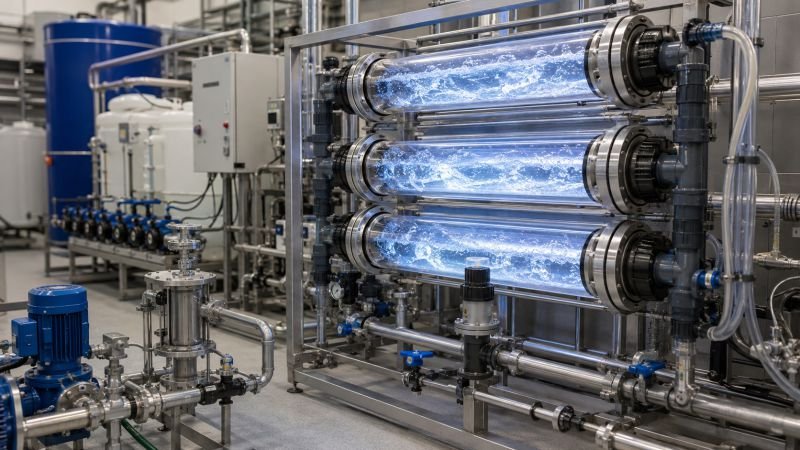
The concept matters in atmospheric chemistry, disinfection, and advanced oxidation because it describes a universal route for attacking compounds that resist milder treatment. In advanced oxidation treatment, hydroxyl radicals help convert pollutants into smaller and often more biodegradable products. Used in devices include UV oxidation reactors, ozone contactors, plasma systems, and photocatalytic chambers designed around rapid radical generation.
Example:
During UV-hydrogen peroxide treatment, hydroxyl radicals can oxidize dissolved solvent residues that pass through a reactor stream.
Related Terms:
- Photocatalysis
- Electron Transfer
- Oxidation Potential
NoSuchDevice is a free archive of machines that do not exist yet but already have a shadow in physics. I research and write every entry alone, with no ads. Take a look around the archive, or help keep it free.