





What Is photocatalysis?
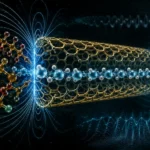
Photocatalysis is a catalytic process in which light activates a material so chemical reactions proceed more readily at its surface. In semiconducting catalysts such as titanium dioxide, absorbed photons create electron-hole pairs that can drive oxidation and reduction steps with surrounding molecules. The threshold condition is h nu >= Eg, meaning the incoming photon energy must meet or exceed the material band gap.
In real systems, the catalyst does not get consumed in the overall reaction, but its performance depends strongly on illumination, surface area, charge recombination, and access of reactants to active sites. The generated charges can form radicals, alter dissolved species, or split adsorbed compounds into less harmful products. Reactor geometry, coatings, and fluid residence time all influence how effectively light-driven chemistry is translated into usable treatment or synthesis.
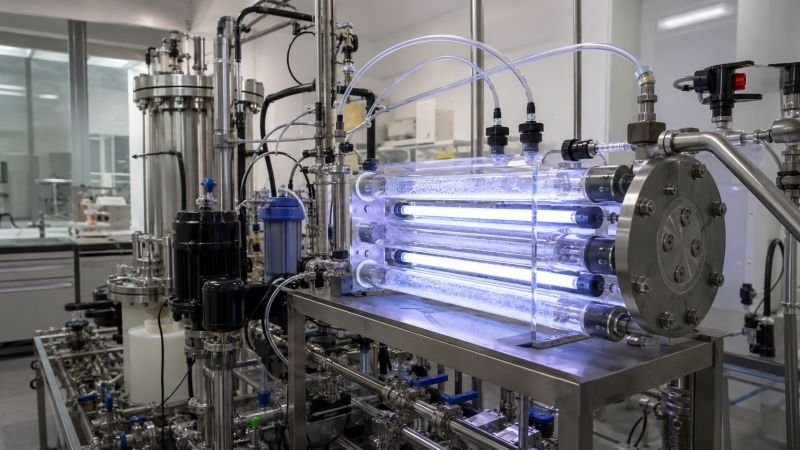
Photocatalysis matters because it couples optical energy to surface chemistry without requiring extreme temperatures or bulk chemical dosing in every application. In oxidative water treatment, it provides a route for degrading persistent compounds that are difficult to remove by simple filtration alone. Used in devices include UV reactors, coated membranes, illuminated catalyst beds, and recirculating treatment chambers built around controlled exposure to light.
Example:
A titanium dioxide coated reactor can use ultraviolet illumination to break down trace pharmaceuticals in circulating water.
Related Terms:
NoSuchDevice is a free archive of machines that do not exist yet but already have a shadow in physics. I research and write every entry alone, with no ads. Take a look around the archive, or help keep it free.