



What Is Linear Electromagnetic Generators?
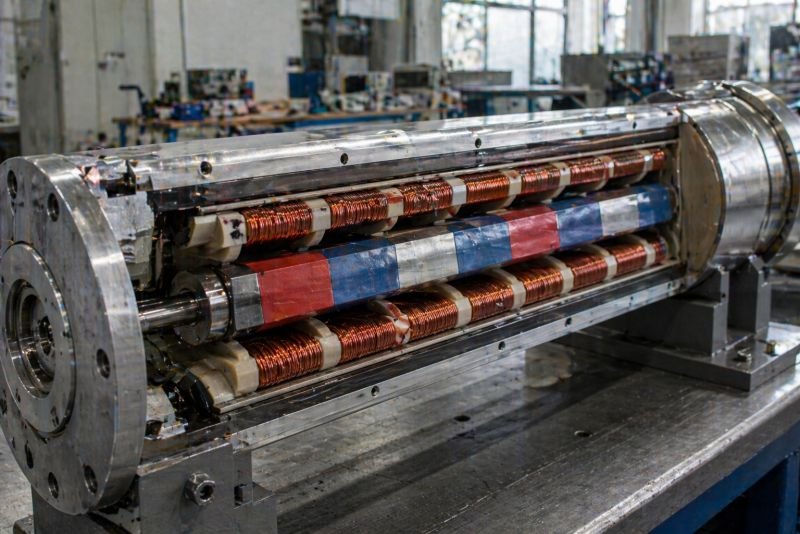
Linear electromagnetic generators are electromechanical devices that convert straight-line motion into electrical output by moving a coil relative to a magnetic field. Instead of spinning like a rotary machine, the translator and stator travel along one axis, so induced voltage follows electromagnetic induction during each stroke. A compact relation is V = B l v, where field strength, conductor length, and velocity shape the instantaneous output.
In real systems, springs, dampers, or driven masses control the stroke so the moving assembly stays within a useful operating range. Designers tune displacement, magnetic flux, coil resistance, and load matching to balance force, frequency response, and electrical losses. That makes the device suitable for reciprocating machinery, wave-powered units, and road deformation energy systems where motion arrives as short linear pulses rather than continuous rotation.
The concept matters because many mechanical sources produce translation before any shaft exists. A linear generator can capture that motion directly, which removes belts, crank mechanisms, or screw drives that would otherwise add friction and packaging limits. Used in devices include suspension harvesters, free-piston engines, vibration power units, and transport infrastructure modules that convert repeated displacement into usable current.
Example:
A wave energy module can move a magnet assembly linearly through coils as each passing swell drives the buoy up and down.
Related Terms:
NoSuchDevice is a free archive of machines that do not exist yet but already have a shadow in physics. I research and write every entry alone, with no ads. Take a look around the archive, or help keep it free.