



What Is Neap tide?
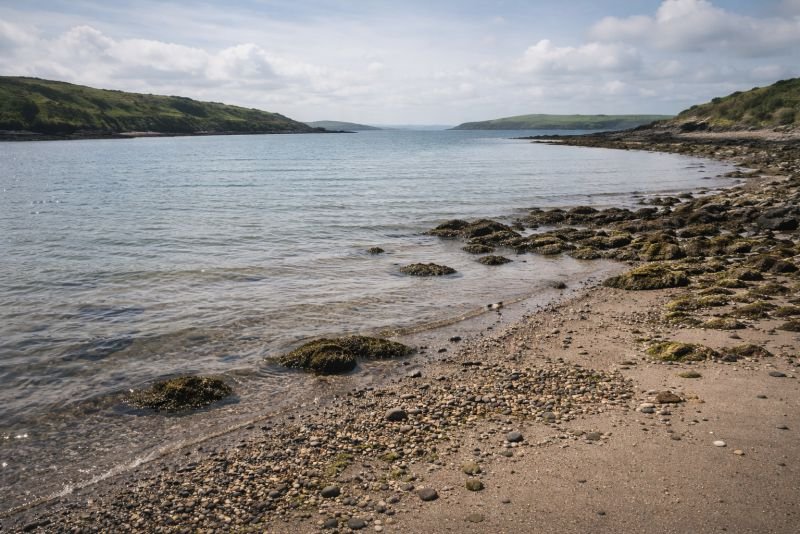
A neap tide is the part of the lunar cycle when the tidal range is smallest because the Sun and Moon pull at roughly right angles relative to Earth. Their tidal contributions partially cancel, reducing the height difference between successive high and low waters. Since impounded tidal energy scales approximately with h^2, even a modest reduction in range can produce a much larger drop in available generation.
In real coastal systems, neap tides mean less hydraulic head for barrages and generally weaker Tidal Current speeds through channels. The contrast with Tidal Range during spring conditions is often large enough to dominate monthly revenue patterns, maintenance planning, and dispatch assumptions for sites that otherwise appear highly predictable. For marine ecosystems and sediment transport, these quieter intervals can also change local mixing and residence time.
The concept matters because tidal projects do not deliver the same output every day, even though the timing is highly predictable. In lunar-cycle energy forecasting, engineers model neap periods to size storage, schedule outages, and avoid overstating annual yield from measurements taken near the stronger part of the month. It is a baseline condition, not an anomaly.
Example:
A tidal plant that generates strongly during full moon may produce much less energy about a week later when neap conditions reduce the water-level difference.
Related Concepts:
- Spring Tide
- Tidal Force
- Lunar Phase
NoSuchDevice is a free archive of machines that do not exist yet but already have a shadow in physics. I research and write every entry alone, with no ads. Take a look around the archive, or help keep it free.