




What Is Photochemical smog?
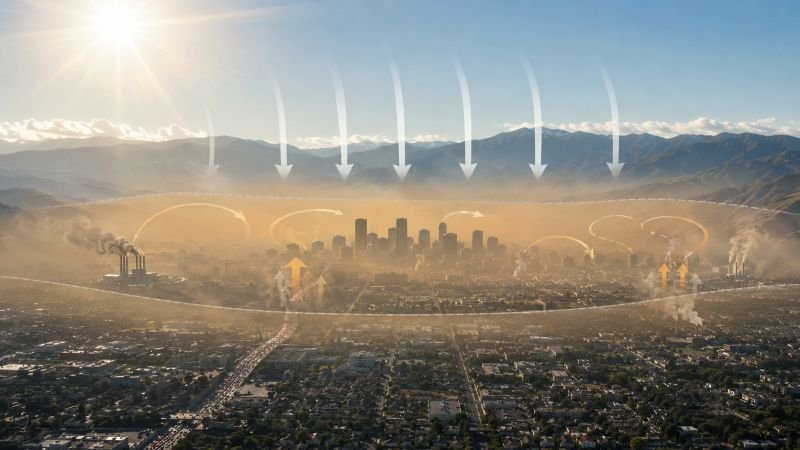
Photochemical smog is a pollution mixture formed when sunlight drives reactions among nitrogen oxides, volatile organic compounds, ozone, and fine particles in the lower atmosphere. It is a secondary pollutant system rather than a direct emission plume, with ozone production beginning from reactions such as NO2 + hv -> NO + O. The result is a chemically active haze that changes over hours as light, temperature, and precursor gases shift.
In real air basins, its intensity depends on precursor ratios, wind, humidity, and vertical mixing. It is a recurring outcome in urban atmospheric chemistry when traffic and industry feed reactive gases into sunlit air. Used in devices include ozone analyzers, catalytic converters, stack monitors, and sensor networks that track smog-forming pollutants before peak afternoon concentrations develop.
The concept matters because exposure damages lung tissue, stresses crops, and accelerates material degradation, while policy responses must control both emitted precursors and the conditions that allow them to react. Photochemical smog is therefore a core idea in atmospheric pollution science, linking combustion, weather, chemistry, and public health into one system-level problem for modern cities.
Example:
Summer traffic emissions in a sunlit basin can build afternoon ozone and haze even after morning exhaust has already dispersed from the roadway.
Related Terms:
- Air Quality Index
- Temperature Inversion
- Tropospheric Ozone
NoSuchDevice is a free archive of machines that do not exist yet but already have a shadow in physics. I research and write every entry alone, with no ads. Take a look around the archive, or help keep it free.