





What Is PVDF?
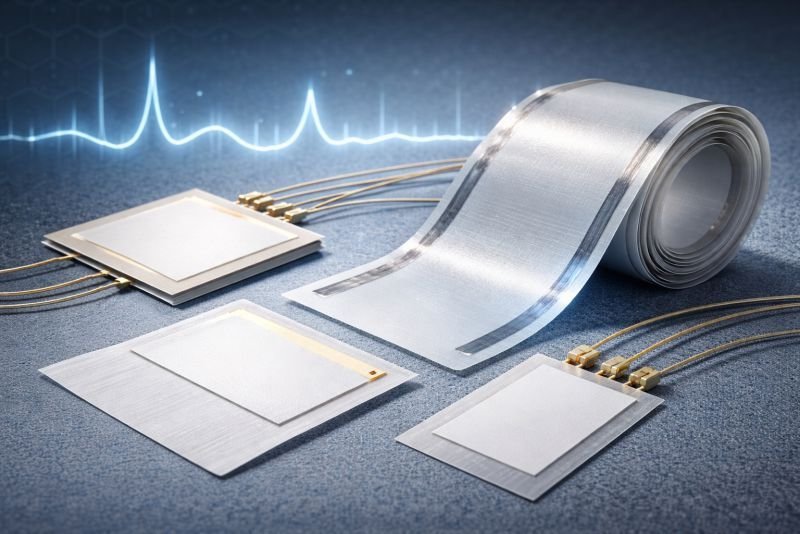
PVDF is a synthetic polymer known as polyvinylidene fluoride that can exhibit piezoelectric behavior when its molecular chains are aligned under specific processing conditions. Unlike brittle ceramic piezoelectric materials, PVDF forms thin, flexible films that can bend, stretch, or wrap around curved surfaces while still generating an electrical signal when mechanically deformed.
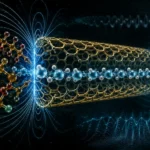
The piezoelectric response in PVDF arises from the alignment of polar molecular units within the polymer structure. When the material is stretched, compressed, or vibrated, these dipoles shift slightly, creating a voltage across the film. Although the electrical output is typically lower than that of ceramic materials, PVDF offers advantages in flexibility, durability, and compatibility with wearable or large-area devices.
In technologies such as flexible vibration-driven piezoelectric energy harvesting systems, PVDF films are used to capture mechanical motion from bending surfaces, human movement, or ambient vibrations.
Example:
A PVDF film embedded inside a shoe sole can generate small electrical signals each time the material flexes during walking.
Related Concepts:
- Ferroelectric Polymers
- PZT
- Cantilever Harvester
NoSuchDevice is a free archive of machines that do not exist yet but already have a shadow in physics. I research and write every entry alone, with no ads. Take a look around the archive, or help keep it free.