




What Is Rankine cycle?
Rankine cycle is a thermodynamic cycle that converts heat into mechanical work by evaporating, expanding, condensing, and pumping a working fluid. It is the basic model for many steam power systems. A simple ideal efficiency relation is eta = W_net / Q_in, where net work is divided by heat supplied to the boiler.
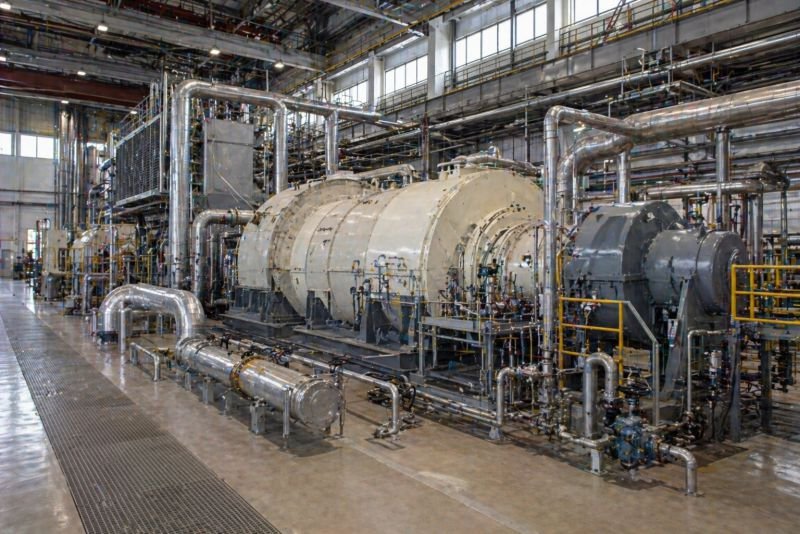
In real systems, the cycle moves through a boiler or heat exchanger, turbine, condenser, and pump. High-pressure vapor expands through the turbine to produce shaft work, then releases remaining heat as it condenses. thermal power system design uses this cycle to compare ideal performance with losses from friction, heat transfer, pressure drop, and material temperature limits.
The concept matters because it connects temperature, pressure, phase change, and useful work in one practical framework. It explains why higher boiler temperature and pressure can improve efficiency, why a cold condenser is required, and why no steam plant can convert all input heat into electricity. Used in devices include steam turbines, nuclear power stations, coal plants, concentrated solar power systems, and marine propulsion plants.
Engineers measure Rankine cycle performance with pressure, temperature, enthalpy, and entropy data at each state point. Superheating, reheating, and regeneration modify the basic cycle so more work is extracted before heat must be rejected.
Example:
A nuclear plant uses reactor heat to boil water, expand steam through a turbine, condense the exhaust, and pump liquid water back to the steam generator.
Related Terms:
NoSuchDevice is a free archive of machines that do not exist yet but already have a shadow in physics. I research and write every entry alone, with no ads. Take a look around the archive, or help keep it free.