






What Is Rolling Resistance?
Rolling resistance is the resistive force that opposes a wheel or roller moving over a surface because materials deform and do not return all stored energy. It is commonly approximated by F_rr = C_rr N, where C_rr is the rolling resistance coefficient and N is the normal load. The loss usually appears as heat in tires, bearings, and the contact surface.
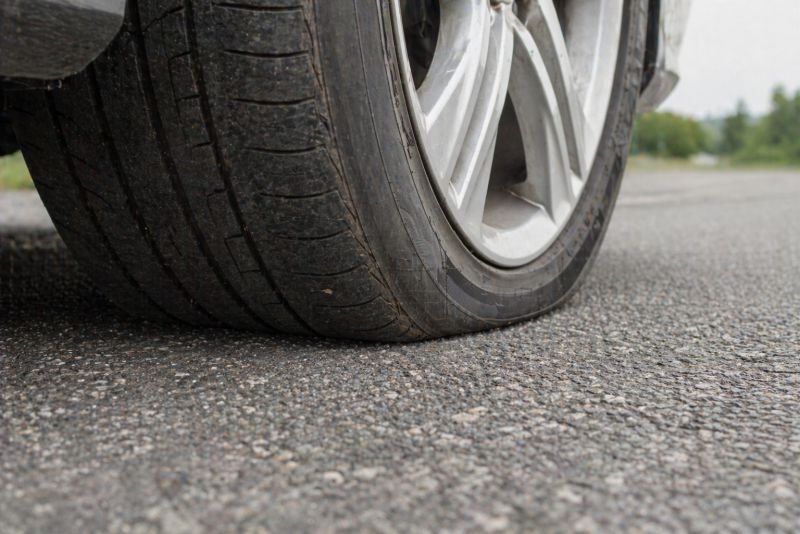
In real vehicles, the effect changes with tire construction, inflation pressure, speed, temperature, road texture, and load distribution. A softer tire or rougher surface raises cyclic deformation and increases the energy demand needed to maintain motion. This makes rolling resistance a practical factor in road vehicle energy systems, where small changes in contact losses can outweigh gains from other design improvements.
The concept matters in transport engineering because it shapes fuel use, battery range, tire wear, and thermal behavior across road and rail applications. It also sets a baseline for evaluating whether a surface feature or harvesting mechanism is adding acceptable drag. Used in devices include chassis dynamometers, tire development rigs, autonomous delivery vehicles, bicycles, and low-speed infrastructure modules that interact with passing wheels.
Example:
A bicycle with underinflated tires requires more rider effort because larger tire deformation raises rolling resistance on each wheel rotation.
Related Terms:
- Mechanical Work
- Regenerative Braking
- Tire Hysteresis
NoSuchDevice is a free archive of machines that do not exist yet but already have a shadow in physics. I research and write every entry alone, with no ads. Take a look around the archive, or help keep it free.