




What Is Sabatier Reaction?
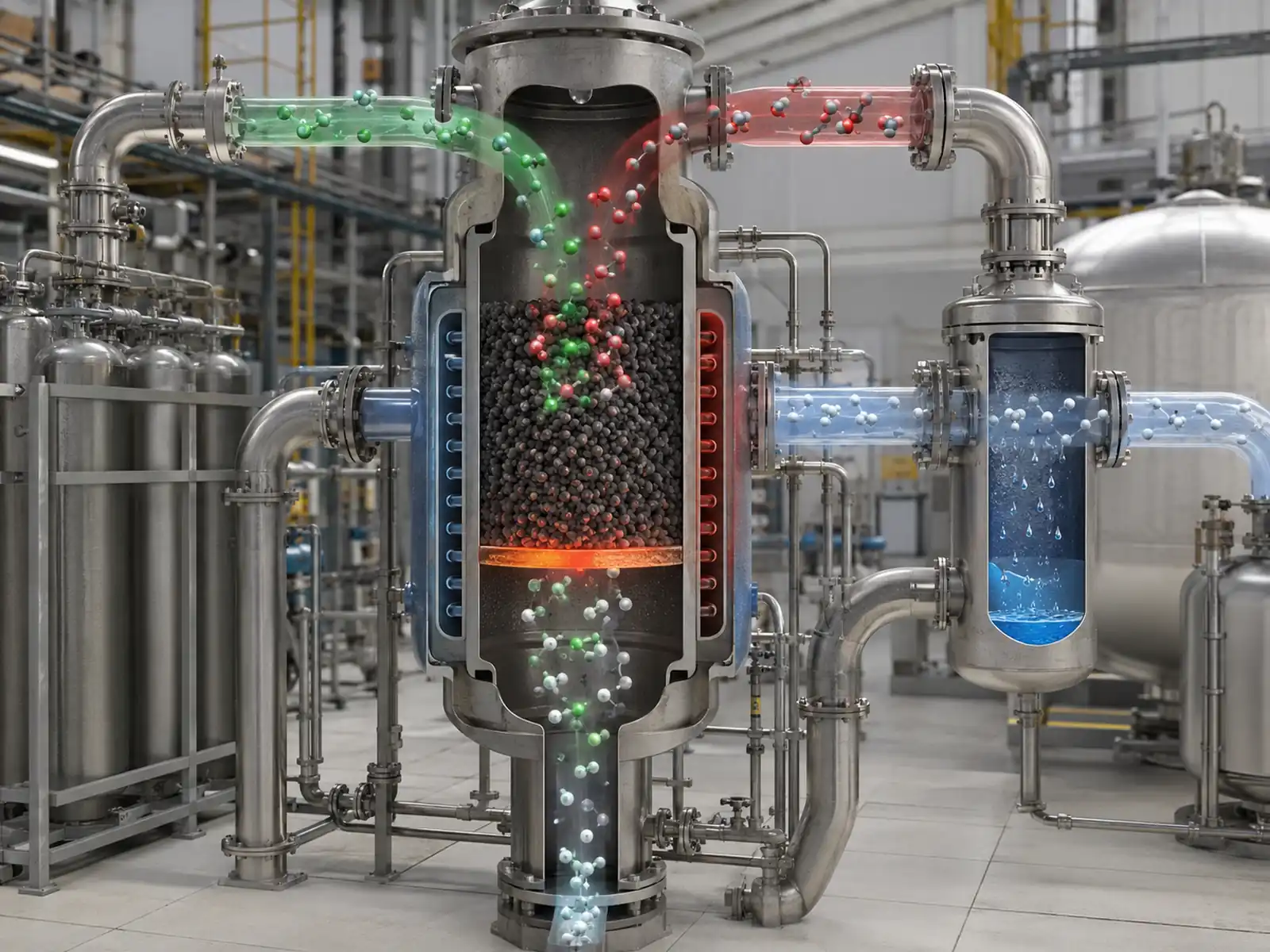
Sabatier Reaction is a catalytic hydrogenation reaction that converts carbon dioxide and hydrogen into methane and water. The simplified reaction is CO2 + 4H2 -> CH4 + 2H2O, and it releases heat as chemical bonds rearrange. Nickel, ruthenium, and other catalysts can lower the activation barrier and improve methane selectivity.
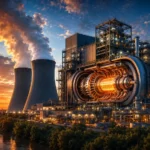
In real systems, the reaction depends on catalyst surface area, temperature, pressure, gas composition, heat removal, and water management. It is often discussed for power-to-gas systems, spacecraft life support, and synthetic fuel production because methane can be stored and transported with existing infrastructure. It forms an alternative pathway in captured carbon conversion when a fuel output is preferred over a solid carbon product. Used in devices include methanation reactors, hydrogen electrolyzer systems, CO2 cleanup loops, gas upgrading units, and thermal control modules.
The concept matters because it can turn CO2 into an energy carrier, but the carbon is not permanently removed if the methane is later burned. Its value therefore depends on whether the goal is storage, fuel recycling, grid balancing, or closed-loop life support. Engineers compare it with solid-carbon and mineralization routes.
Example:
A renewable power-to-gas plant can feed captured CO2 and green hydrogen into a methanation reactor to produce synthetic methane.
Related Terms:
- Direct Air Capture
- Bosch Reaction
- Methanation
NoSuchDevice is a free archive of machines that do not exist yet but already have a shadow in physics. I research and write every entry alone, with no ads. Take a look around the archive, or help keep it free.