



What Is Tracer Dispersion?
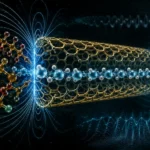
Tracer dispersion describes how an injected chemical marker spreads through a porous medium due to molecular diffusion, velocity variations, and small-scale heterogeneity in the flow field. It reveals how fluids mix, separate, or disperse as they move through complex geologic structures.
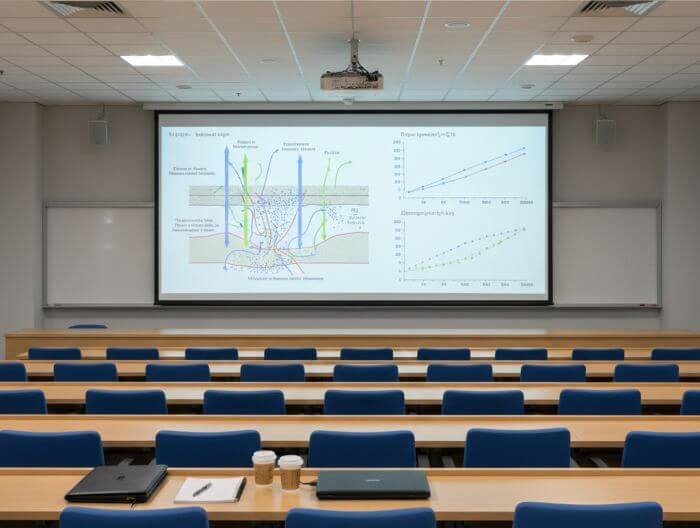
Within geologic carbon handling systems, tracer dispersion helps researchers quantify flow paths, detect anisotropy, and estimate how injected CO2 or brine distributes over time. Because the spread of a tracer reflects subsurface structure rather than only injection conditions, it provides a diagnostic window into reservoir behavior.
Example:
Tracer dispersion indicates whether a subsurface flow field channels fluid along narrow pathways or spreads it broadly through the formation.
Related Concepts:
- Reactive Transport
- Plume Migration
- Permeability Heterogeneity
NoSuchDevice is a free archive of machines that do not exist yet but already have a shadow in physics. I research and write every entry alone, with no ads. Take a look around the archive, or help keep it free.