





What Is Superoxide ion?
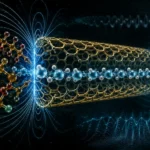
Superoxide ion is the oxygen radical anion O2-, formed when molecular oxygen gains one electron. A simple formation step is O2 + e- -> O2-, which creates a reactive oxygen species with both radical and ionic behavior. Because that extra electron is only partly stabilized, superoxide can participate in rapid oxidation-reduction chemistry and act as an intermediate in catalytic, biological, and atmospheric processes.
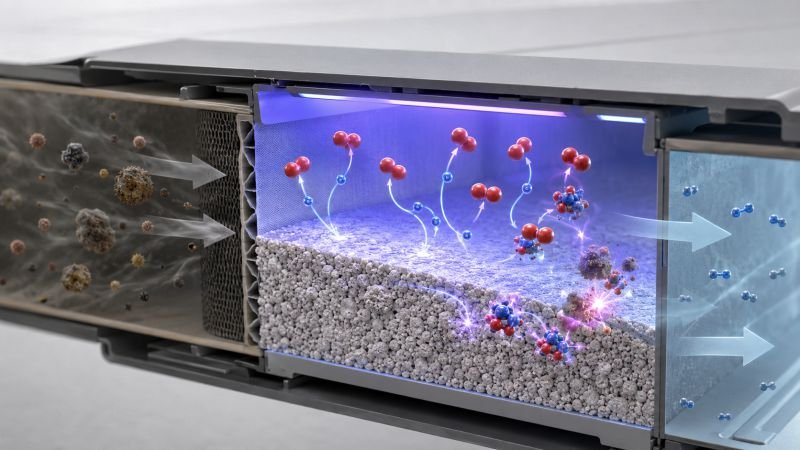
In real systems, superoxide may appear on illuminated photocatalyst surfaces, in electrochemical cells, or inside biological pathways that manage oxidative stress. It is important in photocatalytic pollutant oxidation because surface-generated superoxide helps attack nitrogen oxides and organic contaminants. Used in devices include photocatalytic air cleaners, fuel cells, biosensors, electrochemical reactors, and laboratory spin-trapping setups for reactive-species detection.
The concept matters because superoxide sits near the start of larger reactive oxygen cascades that determine whether a system cleans pollutants, corrodes materials, damages cells, or transfers charge efficiently. Chemists and engineers track how quickly it forms, where it migrates, and what secondary species it becomes. Those details influence catalyst design, antioxidant control strategies, and the operating limits of light-driven oxidation technologies.
Example:
An illuminated titanium dioxide surface can transfer an electron to oxygen and create superoxide ion during pollutant oxidation.
Related Terms:
NoSuchDevice is a free archive of machines that do not exist yet but already have a shadow in physics. I research and write every entry alone, with no ads. Take a look around the archive, or help keep it free.