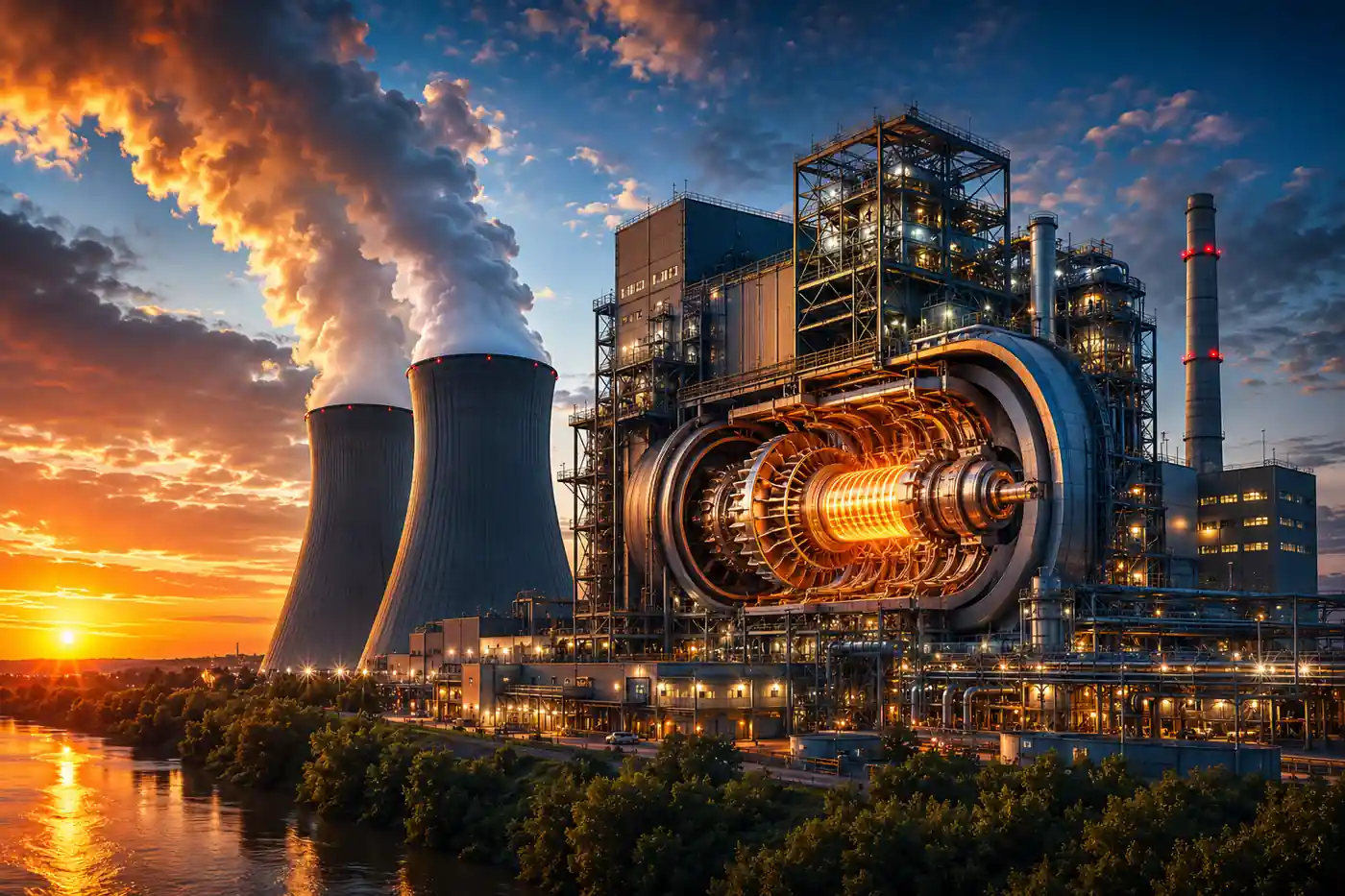





Inside a hollowed-out mountain in northern Wales, 1.7 million cubic metres of rock were excavated over ten years to create one machine. Dinorwig power station, completed in 1984, sits inside Elidir Fawr and looks from the outside like nothing more than a service entrance cut into slate. Inside, its turbines can go from standby to 1,728 megawatts of output in twelve seconds. When the grid carries surplus power at night, the station runs the turbines backwards and pumps water uphill to a reservoir 542 metres above the lower lake. The mountain holds the energy until someone needs it.
Dinorwig is the clearest possible illustration of what every energy storage system is actually doing.
The short version: Energy storage systems never hold electricity itself. They convert electrical energy into a more patient physical form, chemical bonds, gravitational potential, rotational momentum, or compressed gas, and then reverse the conversion on demand. A lithium-ion cell stores roughly 250 watt-hours of energy per kilogram by encoding it in electrochemical reactions between two chemically mismatched materials. Pumped hydro stores gigawatt-hours by lifting billions of litres of water uphill. The round-trip from electricity in to electricity out is never free: every conversion loses something to heat, and the efficiency of that round-trip determines whether a storage method is economically viable at a given scale.
Table of Contents
Why Energy Storage Systems Hold Potential, Not Electricity
Electricity is awkward to stockpile. Electrons moving through a conductor do work. Electrons sitting in place are just charge, and storing charge directly in a capacitor yields a surprisingly small amount of energy for the hardware required. A supercapacitor the size of a coffee cup holds enough energy to briefly power a light bulb. It cannot compete with a battery the same size.
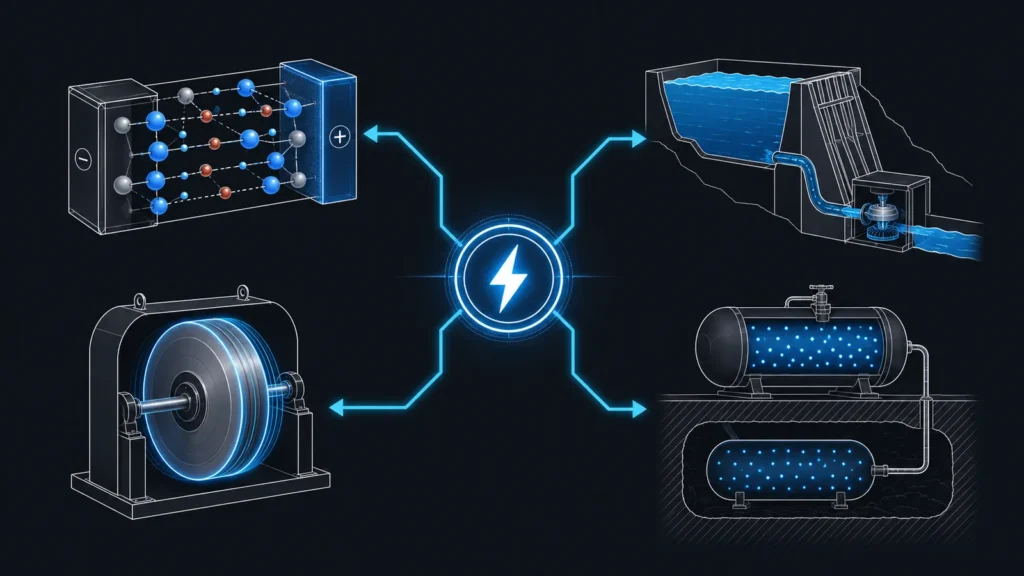
What practical energy storage systems do is convert incoming electrical energy into a form of potential: a chemical system held out of equilibrium, water held above a turbine, a mass spinning faster than it would at rest. Potential energy is patient. It waits. When the system releases it, the conversion runs in reverse and current flows again.
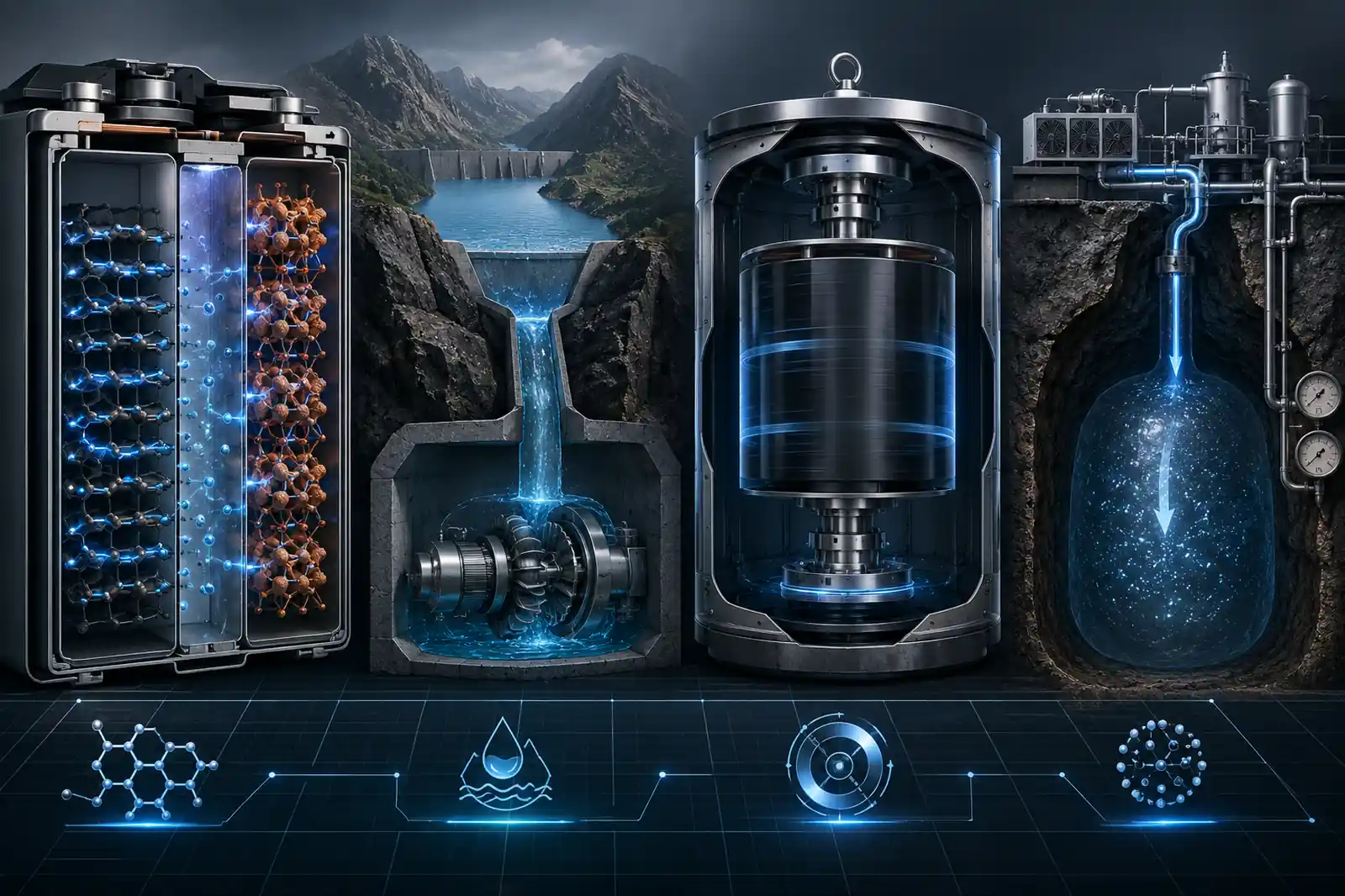
Four physical forms cover nearly every storage method in use today. Chemical potential energy lives in the bonds of electrochemically active materials and accounts for every battery technology, from lead-acid to lithium-ion to the solid-state cells being developed now. Gravitational potential energy accounts for pumped hydro, which despite being conceptually simple represents over 90% of global grid storage capacity by energy. Kinetic energy in spinning rotors accounts for flywheel systems. Thermodynamic pressure accounts for compressed-air energy storage, where surplus electricity drives compressors that push air into underground caverns or pressure vessels.
Each of these trades some combination of energy density, round-trip efficiency, response speed, and geographic constraints. None wins on all four.
How Electrochemical Energy Storage Traps Energy in Molecular Bonds
A battery cell is built around a deliberate chemical imbalance. On one side sits the anode, a material that releases electrons readily. On the other sits the cathode, a material that accepts them. Between them is the electrolyte, a medium that conducts ions but blocks electrons. That blocking is the entire trick.
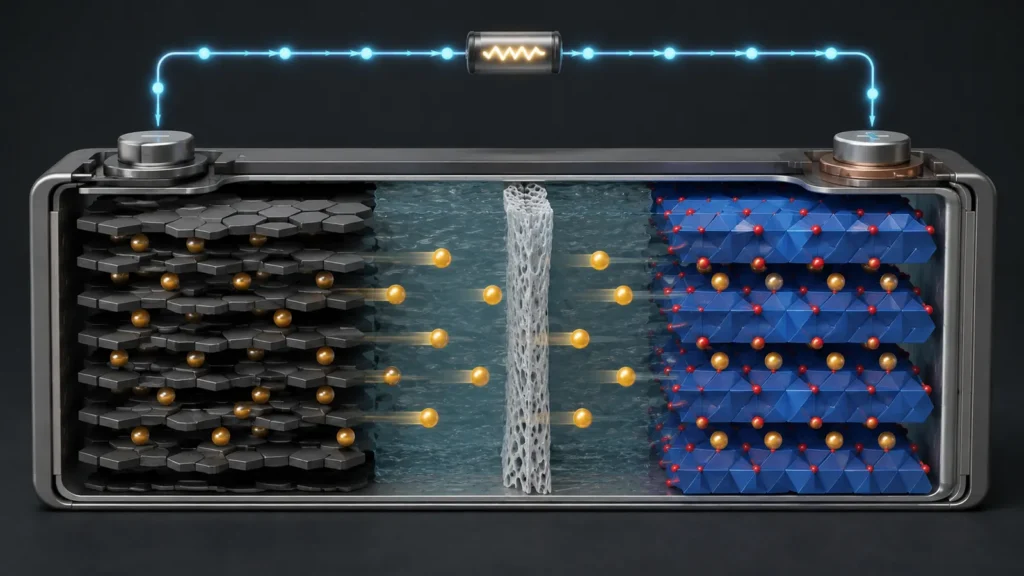
When the cell discharges, a reaction at the anode releases electrons into the external circuit. Those electrons travel through whatever load is connected, doing electrical work. Simultaneously, ions from the anode move through the electrolyte toward the cathode, where they combine with incoming electrons to complete a separate reaction. The two reactions happen at different electrodes and are only connected through the external circuit. The energy released by the combined reaction is the energy drawn from the cell.
Charging reverses the chemistry. An external electrical source forces the ions back to their original positions. Energy is stored as the restored chemical potential difference between the two electrodes.
What determines the energy content is the specific chemistry chosen. The cell voltage, which is a direct expression of the free energy difference between the two electrode reactions, depends on which materials are used. The total charge the cell can hold depends on how many ions can cycle back and forth before the electrode structures degrade. A battery chemistry is a solved trade-off between voltage, capacity, cycle life, safety, temperature range, and the cost and availability of the raw materials. Lithium-ion cells use lithium compounds at both electrodes because lithium is the third-lightest element on the periodic table, has a large electrochemical potential, and moves through electrolytes quickly. The choice is not convention. It follows from atomic physics.
The Gibbs Free Energy Calculation That Sets How Much an Energy Storage Cell Can Hold
The maximum electrical energy extractable from an electrochemical reaction is fixed by the change in Gibbs free energy of that reaction. The relationship is:
ΔG = -nFE
ΔG is the free energy change in joules per mole. n is the number of moles of electrons transferred in the reaction. F is the Faraday constant, 96,485 coulombs per mole of electrons. E is the cell’s open-circuit voltage in volts.
Run the numbers for a standard lithium cobalt oxide cell. The cell voltage is approximately 3.7 volts, and one mole of electrons transfers per mole of lithium cycled:
ΔG = -(1)(96,485)(3.7) = -356,994 J/mol, roughly -357 kJ/mol.
Now do the same for lead-acid, where the cell voltage is about 2.0 volts and two moles of electrons transfer per mole of reaction:
ΔG = -(2)(96,485)(2.0) = -385,940 J/mol, roughly -386 kJ/mol.
Lead-acid looks more energetic per mole. The reason lithium dominates anyway is mass. Lead has an atomic mass of 207 grams per mole. Lithium is 6.94 grams per mole, about thirty times lighter. Divide the energy by the mass of material needed to deliver it, and lithium cells produce around 250 watt-hours per kilogram while lead-acid cells produce 30 to 50 watt-hours per kilogram. Eight times more energy in the same weight. That is why electric vehicles became buildable once lithium chemistry moved from laboratory to production.
The table below compares the main energy storage methods across the variables that actually determine where each one gets deployed:
| Storage Method | Energy Density | Round-Trip Efficiency | Response Time | Geographic Constraint |
|---|---|---|---|---|
| Lithium-ion battery | 150-250 Wh/kg | 90-95% | Milliseconds | None |
| Lead-acid battery | 30-50 Wh/kg | 70-80% | Milliseconds | None |
| Pumped hydro | 0.3-3 Wh/kg (system) | 75-85% | 10-60 seconds | Requires elevation change |
| Compressed air (CAES) | 30-60 Wh/kg (air only) | 40-70% | Minutes | Requires suitable geology |
| Flywheel | 5-130 Wh/kg | 90-95% | Milliseconds | None |
A thirty-times weight advantage that traces back to a single entry in the periodic table is exactly the kind of number this archive exists to take apart.
I make all of it alone, with no ads. If it is worth a coffee a month to you, that keeps the next one coming.
Keep it alive →Gravity and Kinetic Energy Storage: The Methods That Skip Chemistry Entirely
Not every storage method needs a molecule to change shape. Two of the oldest approaches store energy in purely mechanical form, and both are still competitive at scale.
Pumped hydro works by lifting water. The energy stored follows from the basic gravitational potential energy relationship: E = mgh, where m is the mass of water in kilograms, g is 9.81 metres per second squared, and h is the height difference between the upper and lower reservoir. Dinorwig has a head of roughly 542 metres and can hold 7 million cubic metres in its upper reservoir. At those numbers, the stored energy works out to approximately 9.1 gigawatt-hours, enough to supply 1.7 gigawatts of power for over five hours. The turbines double as pumps, and the civil engineering that makes this work took a decade to build inside a mountain.
The catch is obvious. Pumped hydro requires a suitable elevation change, a large volume of water, and the ability to site major civil infrastructure in a mountain. It cannot be deployed in a flat agricultural country or a coastal delta. Where the geography permits it, it is extraordinarily cheap to operate and lasts for a century.
Flywheel energy storage takes kinetic energy as its medium. A spinning rotor accumulates energy as rotational momentum, and that energy scales with both mass and the square of the rotational speed. Modern grid-scale flywheels use composite rotors, often carbon fibre, spinning at up to 50,000 RPM inside near-vacuum housings to cut aerodynamic drag. Magnetic bearings eliminate friction. Round-trip efficiency reaches 90-95%. The limitation is time: a flywheel bleeds its stored energy over hours even with minimal losses, so it stabilizes grids over seconds and minutes, not overnight. It has a specific role, and it fills it well.
Round-Trip Efficiency and the Energy Tax Every Storage System Must Pay
Every conversion from electrical energy to a stored form and back incurs a loss, and that loss accumulates on both legs of the journey. The round-trip efficiency is the ratio of energy recovered to energy put in, expressed as a percentage. It is one of the more consequential numbers in deciding which storage technology belongs in which application.
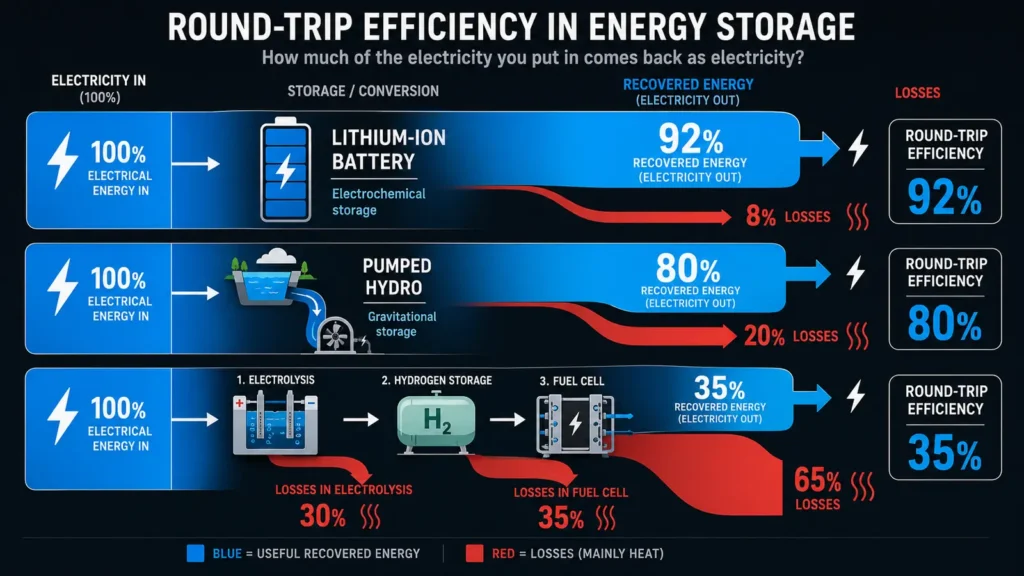
Lithium-ion energy storage systems achieve 90-95% round-trip. Modern pumped hydro reaches 75-85%. Compressed air energy storage, where surplus electricity drives compressors that push air into underground caverns and expansion turbines recover it later, lands at 40-70% depending on whether heat from compression is captured and reused. Green hydrogen, which uses electrolysis to split water into hydrogen and oxygen and then recombines them through a fuel cell or combustion engine, achieves a round-trip efficiency of roughly 25-40%.
That hydrogen number sounds like a case closed. For applications needing energy back within hours or days, it arguably is. The calculation changes for seasonal storage across months, which is the problem no battery solves at the scale required. No electrochemical cell is cheap enough to store six months of a country’s surplus solar generation, and you cannot build Dinorwig in the Netherlands. Seasonal hydrogen storage may represent the only physically plausible pathway to fully renewable continental grids in flat geographies, regardless of how inefficient each conversion step is. A 35% round-trip efficiency on free summer sunlight still produces useful winter energy.
Efficiency matters enormously. It is not always the only variable.
The Physical Ceilings That Energy Storage Chemistry Cannot Break
There is a theoretical upper limit to how much energy any electrochemical system can store per kilogram of active material. That limit is set by the electronegativity differences between available elements and their atomic masses. The best available chemistries exploit the lightest elements with the largest electrochemical potential differences.
A lithium-air cell, which uses atmospheric oxygen as the cathode material rather than a solid lithium compound, would theoretically achieve around 11,000 watt-hours per kilogram at the material level. That figure is comparable to the energy density of gasoline. Laboratory demonstrations have reached 500-700 Wh/kg in individual cells, but with poor cycle life. Commercial lithium-ion sits at 250-300 Wh/kg. Solid-state cells, which replace the liquid electrolyte with a solid ceramic or polymer, may reach 400-500 Wh/kg in production within a decade by allowing a lithium metal anode to replace the heavier graphite anode used in conventional cells.
The chemistry permits much higher densities. The engineering of keeping those chemistries stable through thousands of charge cycles has not been solved. Lithium metal anodes form branching crystalline structures called dendrites during charging. Those dendrites can penetrate the separator and short-circuit the cell. In liquid electrolytes, this is a safety hazard. In solid-state cells, the hope is that a rigid solid electrolyte physically suppresses dendrite growth. Some laboratory cells show this working. None yet show it working reliably for 1,000 cycles at commercial temperatures.
The physics does not forbid high-density storage. The materials science of making it durable is the open problem.
Future Devices That Mature Energy Storage Systems Make Possible
Most of the near-term speculation around energy storage systems focuses on electric cars. That is the least interesting part of the picture. The applications that depend on storage performance improving further are at the extremes of scale and duration.
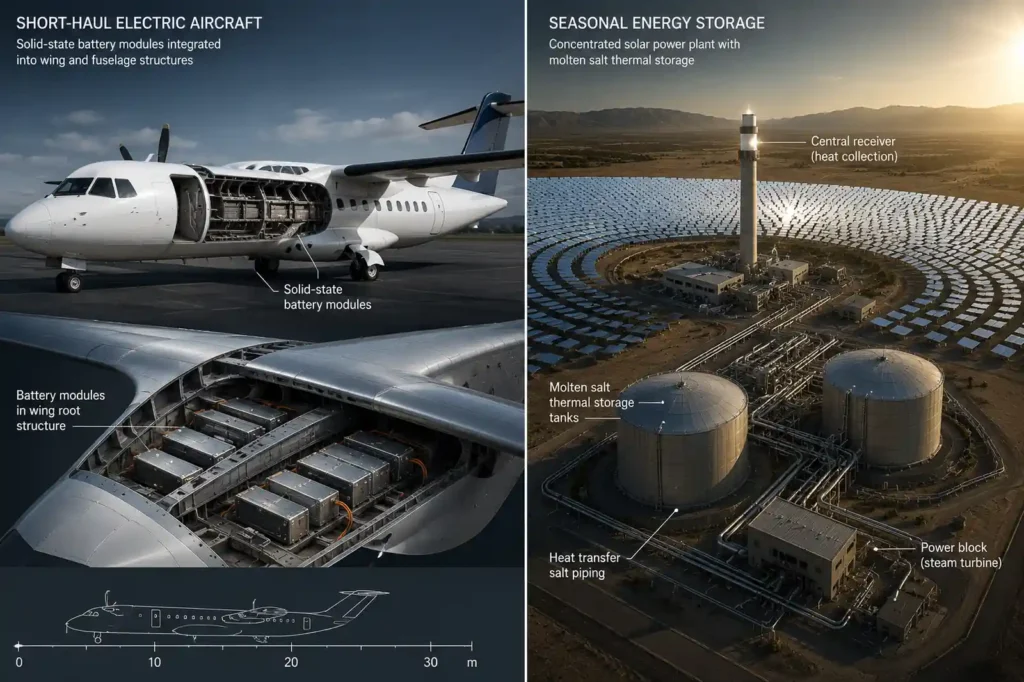
Long-haul electric aviation requires energy densities above 800 Wh/kg to be weight-competitive with jet fuel on routes over two hours. Nothing commercially available today reaches that. Solid-state lithium-metal chemistry at 450-500 Wh/kg, if it proves manufacturable, would make short-haul regional electric aircraft feasible. Transatlantic electric flight is farther down the same curve, waiting for lithium-air or a chemistry not yet named.
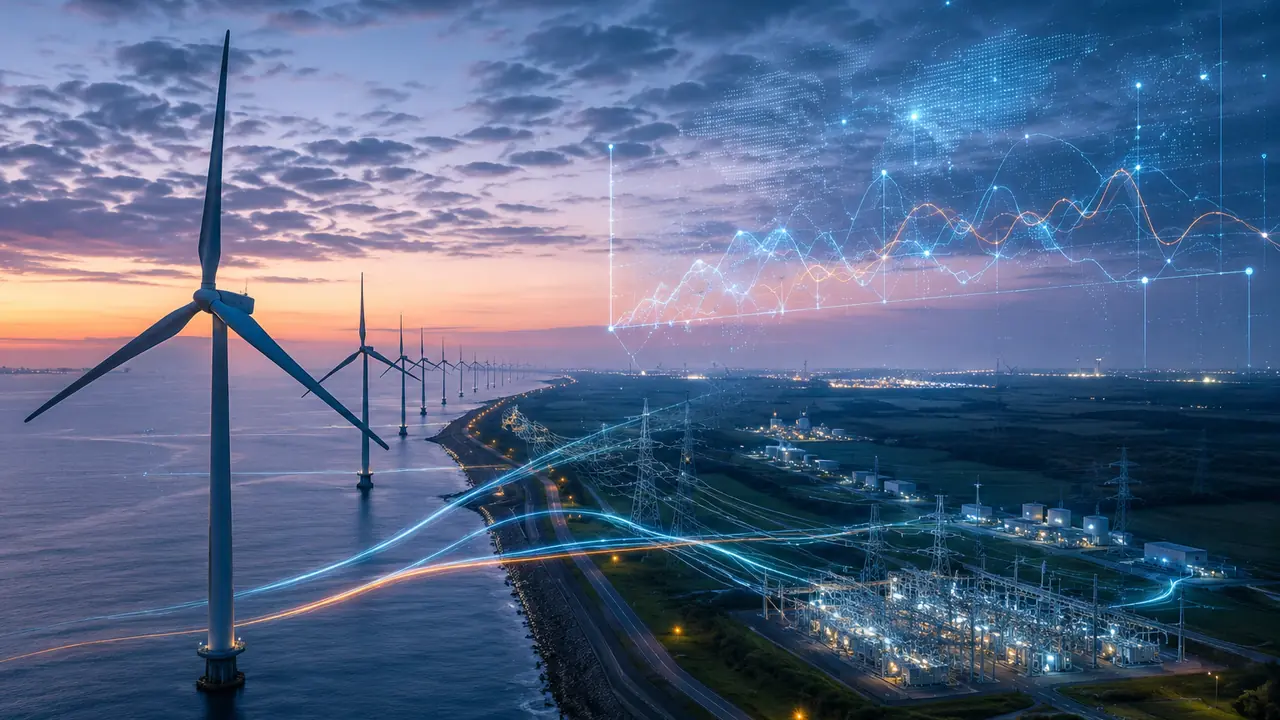
At the other end of the scale, seasonal grid storage is the infrastructure problem that the energy transition cannot route around. Renewables produce surplus power in summer and deficits in winter at northern latitudes. Closing that gap requires storing energy across months, not hours. Pumped hydro handles it where the geography exists. Hydrogen in underground salt caverns, a technology already operating at small scale in Texas and the UK, is the most plausible large-scale alternative. Molten salt thermal storage systems, which store heat at high temperatures in insulated tanks and run steam turbines on demand, are operating at pilot scale in Spain and the southwestern United States with round-trip efficiencies of 50-70% and cheap enough materials to scale.
None of these are waiting on new physics. The principles are understood. The open questions are manufacturing cost, material durability, and cycle life at scale.
The View From NoSuchDevice
I find it clarifying that the most-deployed energy storage technology on earth is a mountain with some water in it. Pumped hydro makes up more than 90% of global installed grid storage by energy, beats most batteries on lifetime cost, and requires nothing more exotic than elevation and rain. When the next-generation battery chemistry is announced at a conference, it is worth keeping that in mind.
The Gibbs free energy equation is honest about where the real ceiling sits. Lithium-ion at 250 Wh/kg is not a theoretical goal, it is what a phone battery achieves today. The path to 500 Wh/kg is visible from here. Reaching 2,000 Wh/kg would change aviation, long-haul shipping, and the electrical grid simultaneously, and the physics does not forbid it.
What I find genuinely unsettling is the seasonal storage gap. Cars are solved. Grid stabilization over an hour is solved. Storing enough energy to run a country through six months of low solar irradiance is not solved at the required scale. The physics allows it. The cost does not yet work. That gap is not a gap in understanding, it is a gap in manufacturing and materials. It is the kind of gap that engineers close, not scientists.
The archive follows the devices that sit at that edge. Energy storage systems at the scale the grid actually needs are the prerequisite for almost everything else.
You read the whole thing.
That is rarer than it should be. A mountain lifting water uphill and a lithium ion pushed through a polymer membrane are both, in the end, the same problem solved at different scales. I make every piece alone, with no ads and no investor deciding what gets written. If you want the next machine taken apart like this one, you can help me make it.
A coffee a month is enough to keep it free for everyone.
Prefer crypto or a one time gift? Other ways to give →
Technologies Related to This Concept
| Technology | Concept |
|---|---|
| Quantum Energy Grid Systems | City-wide energy grids utilizing quantum entanglement for instant energy transfer without losses. |
| Nano-Structured Hydrogen Storage | Safe, efficient hydrogen storage at the nano level for fuel cell vehicles. |
| Quantum Flux Energy Harvesters | Devices that tap into quantum fluctuations to generate limitless clean energy. |
| Solar-Hydrogen Hybrid Engines | Engines that switch between solar and hydrogen power for maximum efficiency. |
| Solar Wind Particle Fuel Collectors | Satellites that collect charged particles from solar wind to convert into fuel. |